October 13, 2026

.svg)

What are the Most Common Allergens in a Poke Bowl?

The fish is the obvious allergen in a poke bowl. The sauce is often where the surprises begin.
Soy can show up in shoyu or miso-based sauces. Sesame may be mixed into a dressing or sprinkled on top. Spicy mayo can bring egg into the bowl, while nuts or shellfish may appear depending on what you order.
That does not mean poke has to feel difficult to navigate. It just helps to know which parts of the bowl deserve a closer look.
In this blog, we’ll break down the most common poke bowl allergens, where they can show up, and what to check when choosing or customizing your order.
The Fish Is Obvious. What Else Should You Check?
A poke bowl is made in layers, which means allergens can appear in more than one place.
The protein is the obvious starting point, especially when tuna, salmon, or albacore is involved. But the sauce, toppings, crunchy add-ons, and finishing ingredients deserve attention too.
Soy may be present in sauces, tofu, or edamame. Sesame can appear as seeds, sesame oil, or inside a dressing. Egg often comes from mayonnaise-based sauces, while tree nuts may be added for texture.
Fish, crustacean shellfish, soy, sesame, egg, and tree nuts are all included on the FDA’s list of nine major food allergens.
Instead of looking at the bowl as one dish, it can be more useful to think about each part separately. That makes it easier to spot an ingredient you might otherwise miss.
Fish Allergy or Shellfish Allergy? Start With the Protein
Tuna, salmon, and albacore are finned fish. Shrimp, crab, and lobster fall into the crustacean shellfish group.
They are separate allergen categories. Having a fish allergy does not automatically mean you have a shellfish allergy, or vice versa.
That distinction matters when you are looking at a poke menu.
A bowl made with tuna clearly needs attention if you have a fish allergy. Shellfish may be less obvious depending on the restaurant, menu, or preparation setup.
If you need to avoid cross-contact, ask how ingredients are stored and prepared rather than judging a bowl only by what you can see.
Sauce, Mayo, Sesame, Soy: What’s Easy to Miss?
This is where two similar-looking bowls can turn out to have very different allergen information.
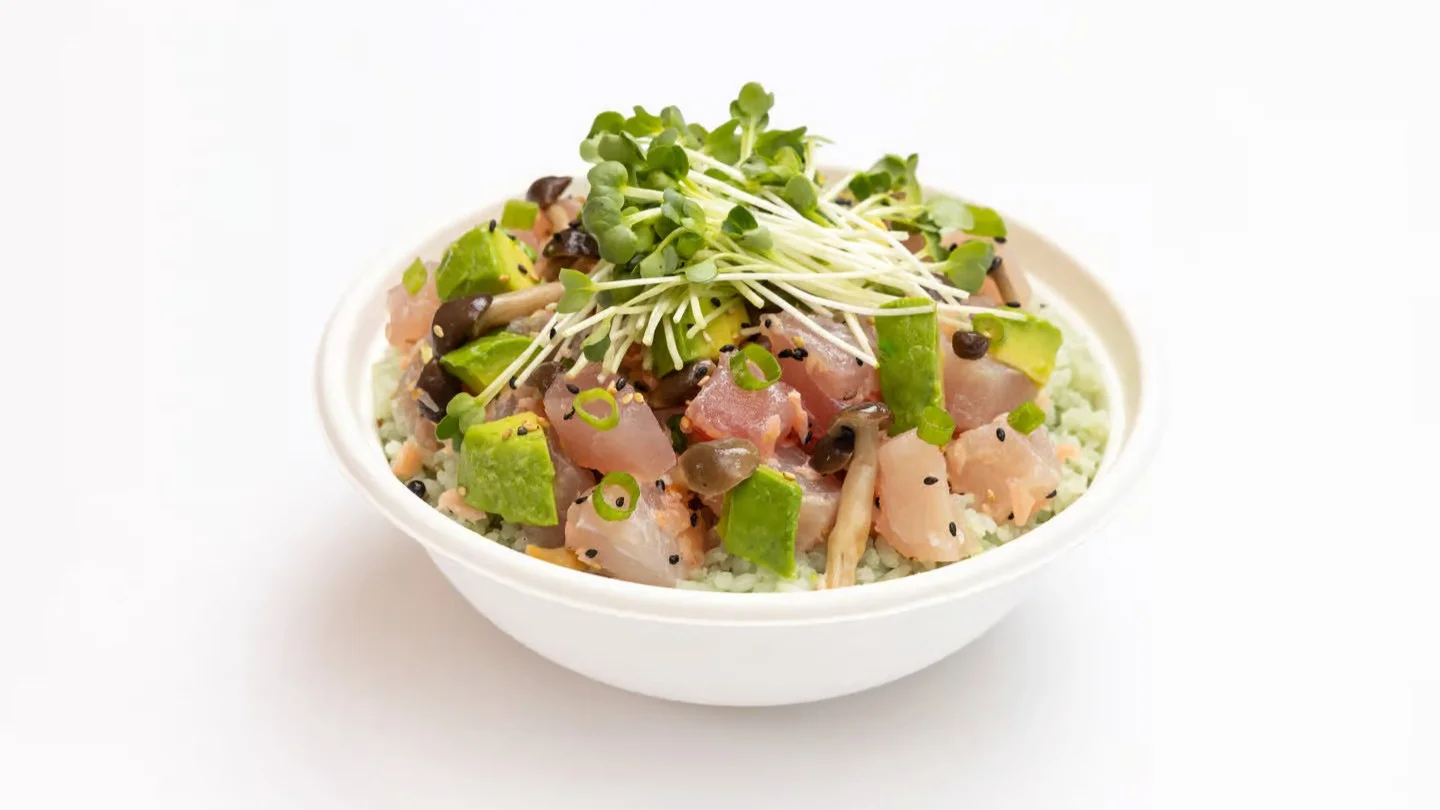
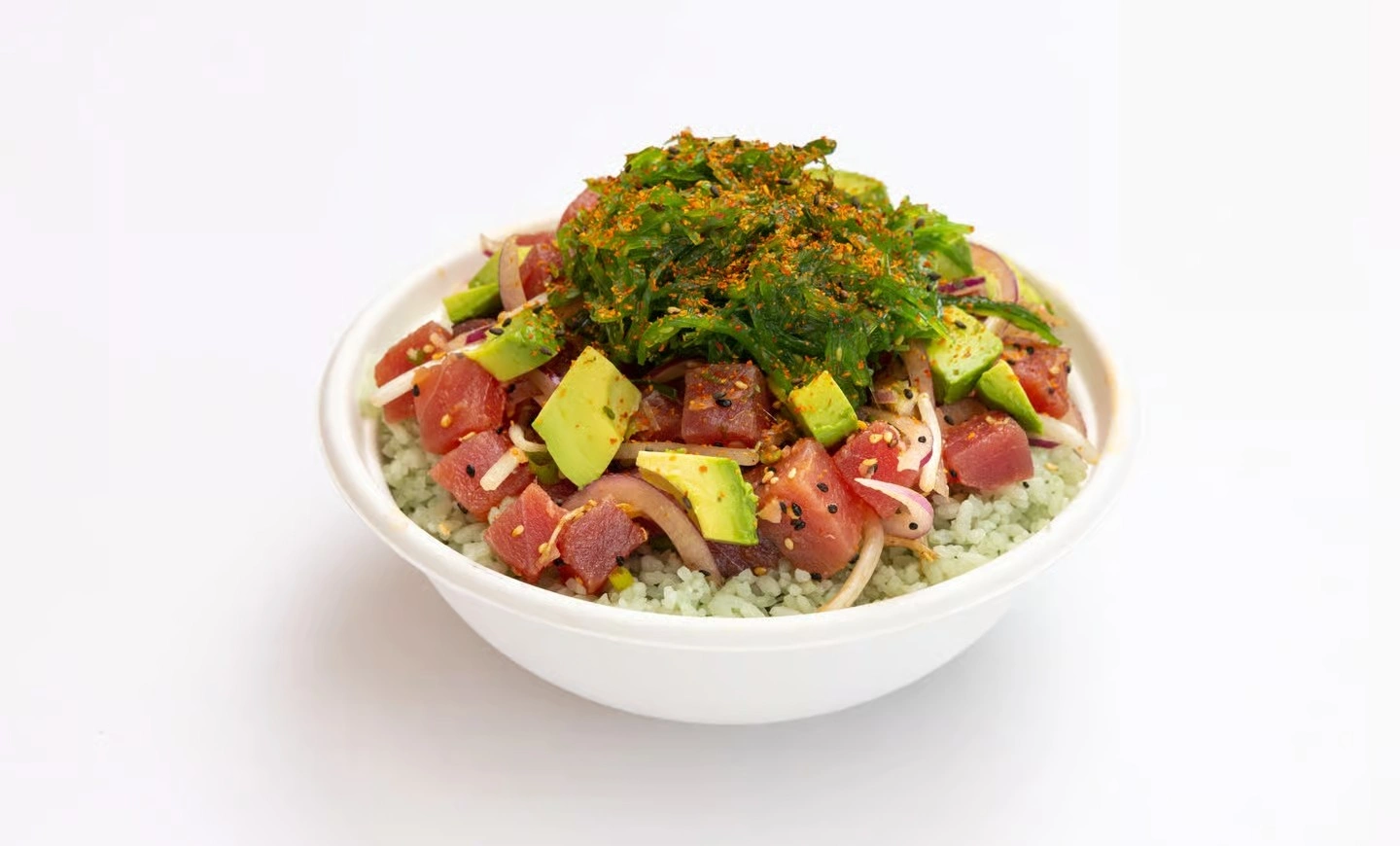
Sweetfin’s Classic Tuna Poke Bowl combines yellowfin tuna with miso sesame shoyu, avocado, seaweed salad, bean sprouts, pickled ginger, and other toppings. Its current allergen information lists fish, sesame, and soy.
The Spicy Tuna Poke Bowl also starts with yellowfin tuna, but its allergen list is different. It currently contains egg, fish, and soy, with the egg coming into the picture through the spicy mayo.
Then there are toppings.
Macadamia nuts appear in bowls such as Mango Albacore and The Cali Bowl, while sesame shows up across different sauces and toppings on the menu.
Check the exact bowl you are considering, especially the sauce and finishing ingredients.
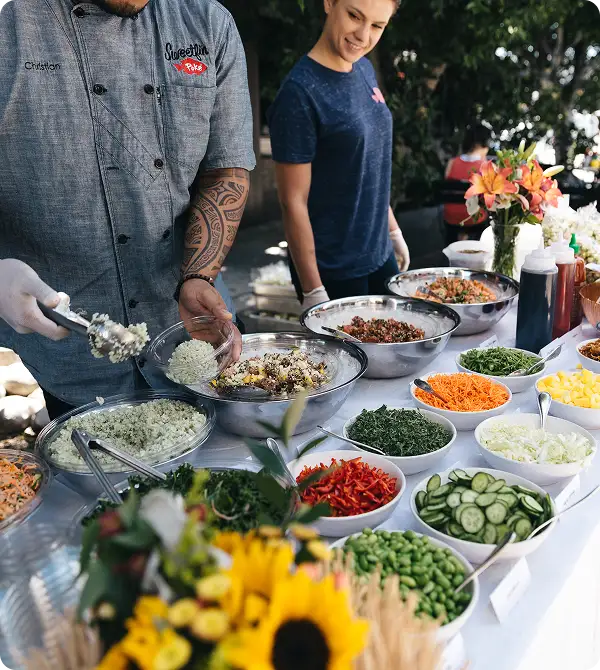
Building Your Own? Check the Bowl One Layer at a Time
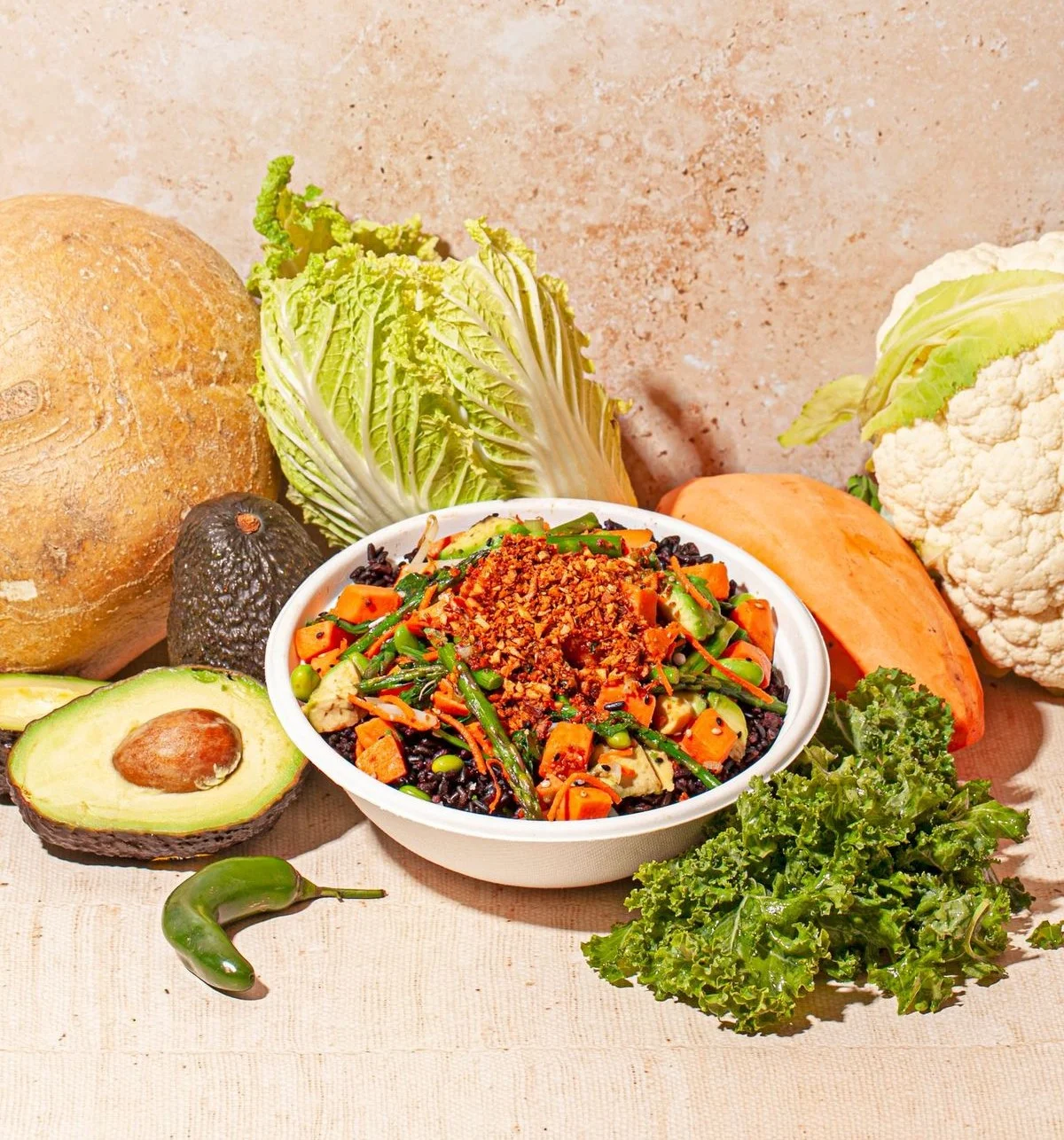
A customizable bowl gives you more control, but it does not automatically make the meal free from an allergen.
With Sweetfin’s B.Y.O.B. Poke Bowl, you choose the protein, base, sauce, and toppings yourself.
That makes it easier to work through the order one part at a time.
Start with the protein. Then look at the sauce. After that, check toppings and extras such as sesame seeds, nuts, mayo-based ingredients, or crunchy additions.
If preparation or cross-contact matters for your allergy, that is another question to ask before ordering.
Customization is useful because you can see more clearly what you are choosing. It should not be treated as a guarantee that the finished bowl is free from a particular allergen.
How Can You Check Allergens Before Ordering at Sweetfin?
You do not have to rely only on the name or photo of a bowl.
Sweetfin’s individual product pages include ingredient and allergen information for many menu items. The Sweetfin ingredient guide also breaks down individual bases, proteins, toppings, and sauces, while the main menu links to a full Allergy / Dietary Menu.
That makes it easier to compare two bowls before deciding which ingredients work for you, without relying only on the product name.
One distinction is worth keeping in mind.
Sweetfin’s current menu is 100% gluten-free, but gluten-free does not mean free from other allergens. A bowl may still contain fish, soy, sesame, egg, tree nuts, or another ingredient you need to avoid.
So if you are deciding between two bowls, checking the allergen information for the exact item is more useful than relying on a general menu label.
.jpg)

.jpg)
Frequently Asked Questions
What are the most common allergens in a poke bowl?
Fish, soy, and sesame are common ones to check. Depending on the bowl, shellfish, egg, tree nuts, or other allergens may also be present.
Can poke contain soy?
Yes. Soy may appear in ingredients such as shoyu-style sauces, miso-based sauces, tofu, or edamame.
Is sesame common in poke bowls?
It can be. Sesame may appear as seeds, sesame oil, or in sauces and dressings, so the exact ingredient list matters if you have a sesame allergy.
Is a fish allergy the same as a shellfish allergy?
No. Finned fish and shellfish are separate allergen groups. Being allergic to one does not automatically mean being allergic to both.
How can I check allergens before ordering poke?
Look at the allergen information for the exact dish and its ingredients. If cross-contact is a concern, ask the restaurant about preparation as well.
Know What’s in Your Bowl
Poke gives you plenty of ways to choose the flavors and ingredients you enjoy. When food allergies are part of that decision, it helps to look beyond the protein and check the sauce, toppings, and extras too.
Review the current allergen information, ask questions when you need to, and choose based on the ingredients that work for you.
You can explore the current Sweetfin menu to compare bowls, ingredients, and available allergen information before you order.

.svg)
.svg)
.svg)
Share this article
Written by

.svg)