September 28, 2026

.svg)

What You Need to Know About the Impact of Sustainability in Fast Casual

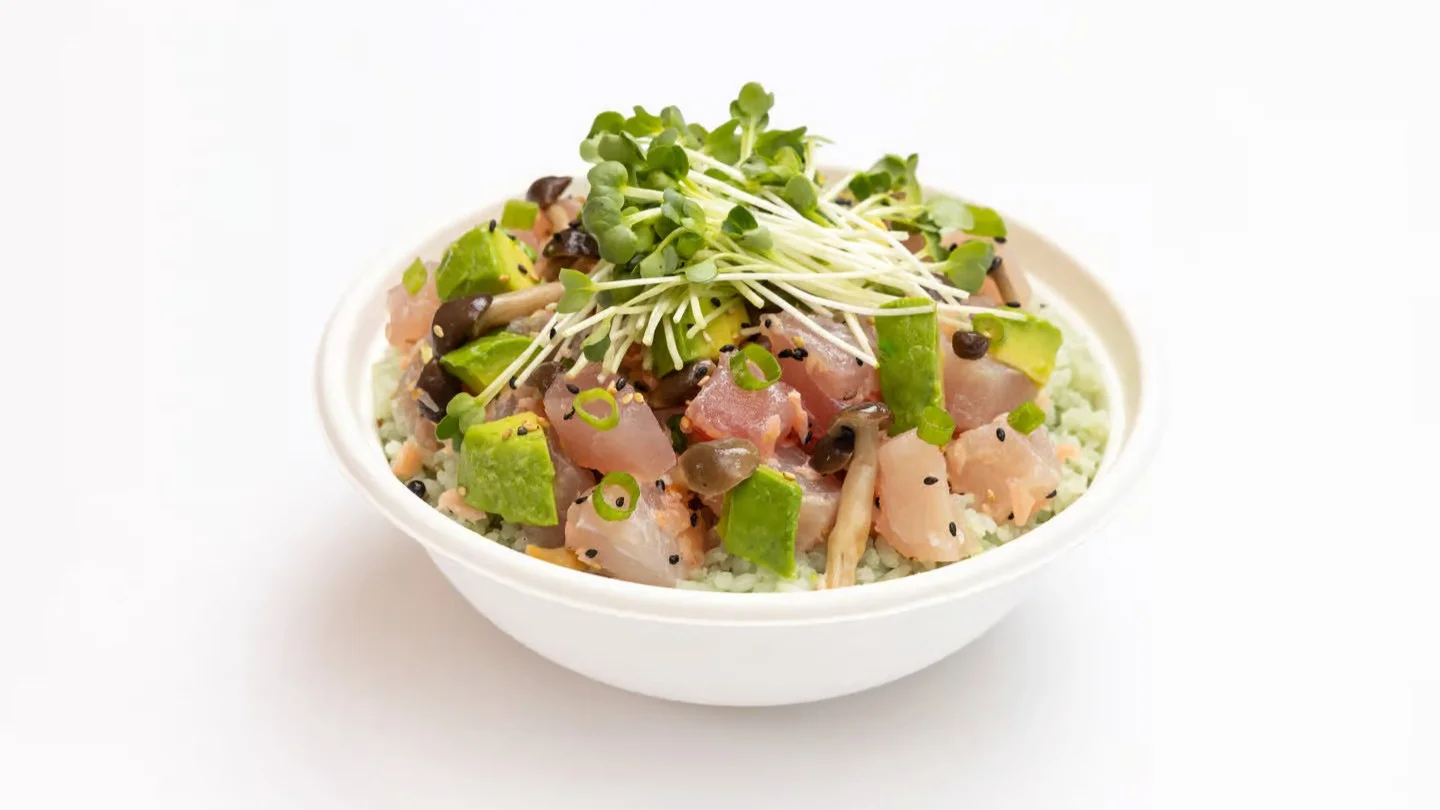
Two bowls can look almost identical on the counter. What you can’t see is where the fish came from, how the produce was sourced, or what happened before those ingredients reached your meal.
Those behind-the-scenes choices are becoming a bigger part of how people think about fast-casual dining. Taste, value, and convenience still matter, but sourcing and transparency increasingly matter too.
In this blog, we’ll look at how sustainability can shape fast-casual dining choices, what those practices actually look like, and how thoughtful sourcing shows up in a Sweetfin bowl.
Does Sustainability Actually Change What You Order?
Sometimes, yes.
Taste, value, and convenience still matter. But diners are also asking more questions about sourcing, ingredients, packaging, and transparency.
The National Restaurant Association’s 2026 culinary forecast ranked local sourcing as its top overall trend. Clear menu labeling and compostable or reusable packaging also made the list.
The key is that diners usually do not want to trade flavor or convenience for sustainability. The strongest green dining options make responsible choices part of food people already want to eat.
What Does Sustainable Fast Casual Actually Look Like?
“Sustainable” can mean a lot of things, so broad claims do not tell you much on their own.
A restaurant might explain where its seafood comes from, prioritize local or seasonal produce, offer plant-based choices, reduce unnecessary packaging, or make ingredient sourcing easier to understand.
These ideas are also influencing fast casual food innovations. Restaurants are combining customization, ingredient transparency, dietary flexibility, and more thoughtful sourcing without making the experience slower or more complicated.
For diners, sustainability should be visible in the choices behind the menu, not just in the language used to describe it.
For you as a diner, that can show up in surprisingly simple ways. A restaurant might tell you where its fish comes from, give plant-based dishes the same attention as the rest of the menu, or use ingredients that change with what is available locally. Even packaging can be part of the experience. None of these choices has to make ordering more complicated. Ideally, they simply become part of how a modern fast-casual restaurant operates.
Why Does Sourcing Matter Before Food Reaches Your Bowl?
Sustainability often starts long before you place an order.
Sweetfin’s approach to sustainable fish sourcing starts with knowing where the fish comes from and how it was caught or raised.
Sweetfin’s “Pole to Bowl” philosophy focuses on sourcing high-quality, sustainable fish while keeping the food accessible. The brand says its yellowfin tuna is wild-caught in the Indian Ocean, certified Dolphin Safe by Friend of the Sea, and rated a “Good Alternative” by Monterey Bay Aquarium Seafood Watch. Its salmon is responsibly raised in British Columbia.
Details like these are more useful than simply seeing the word “sustainable” on a menu.
Can Sustainability Change What Ends Up on the Menu?
It can.
Local produce can bring more seasonality to a menu. Plant-based proteins can give diners more ways to build a meal. Scratch-made sauces give chefs more control over ingredients, while customizable bowls let you choose what fits your appetite.
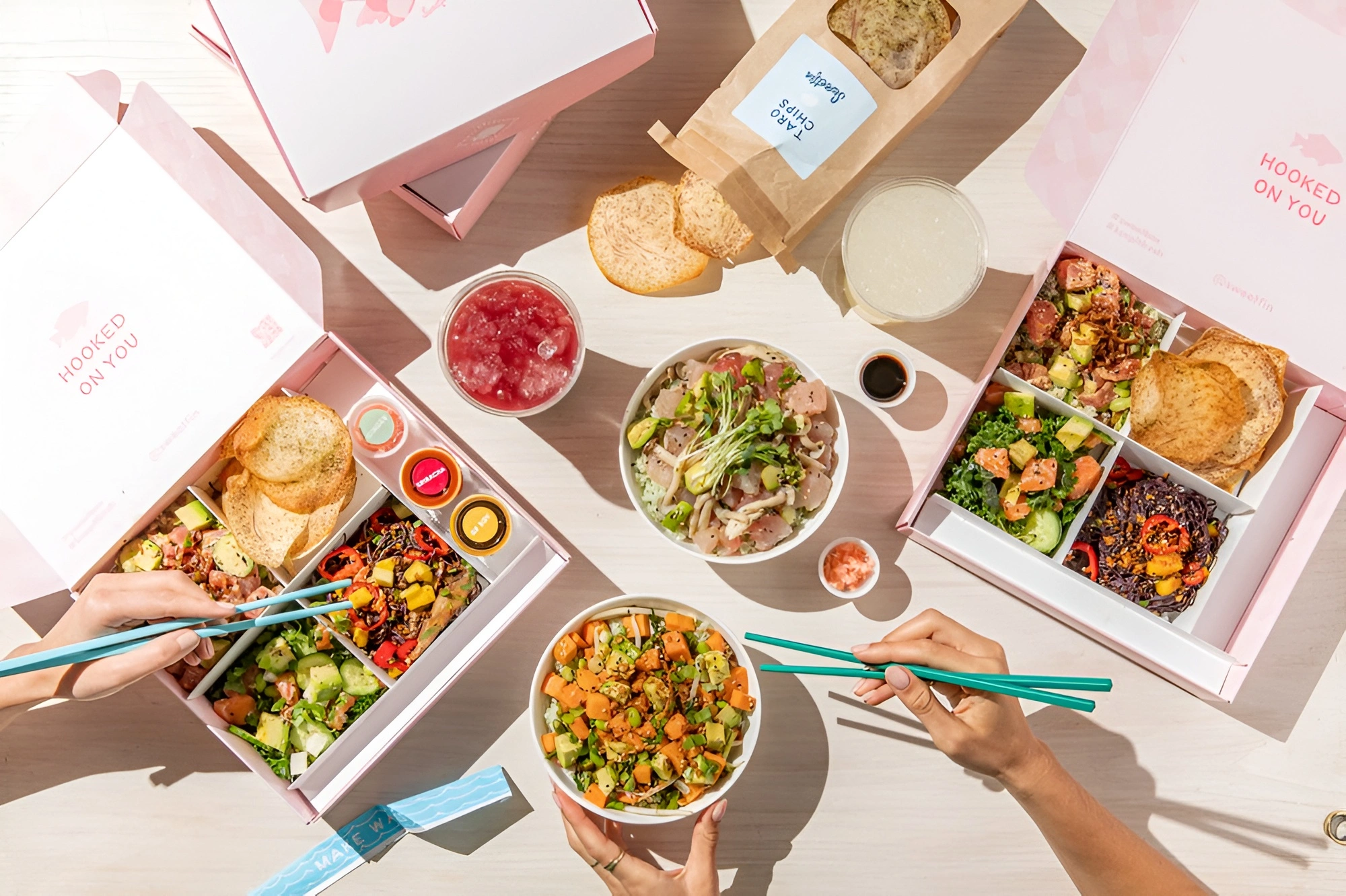
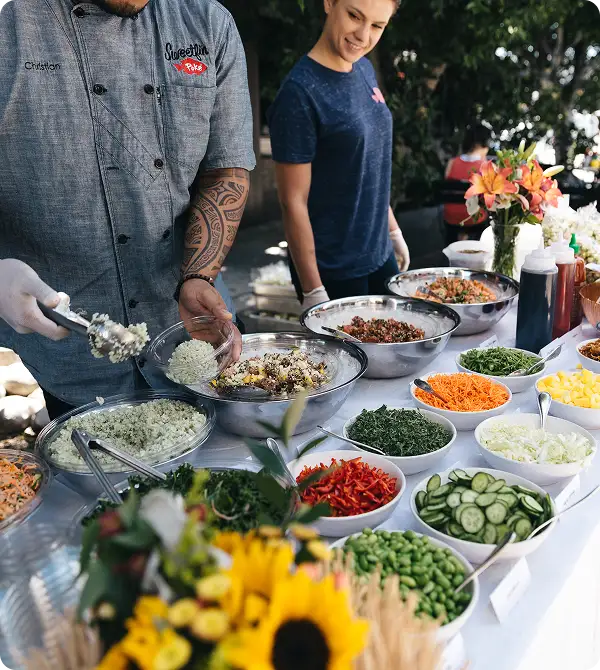
At Sweetfin, fresh produce is delivered daily, local sourcing is prioritized, and sauces are made from scratch in-house. The menu also includes seafood, chicken, and plant-based bowls.
That is where sustainable dining trends become more interesting. They can shape flavor, variety, and choice instead of sitting in the background.
Customization is also part of how fast-casual food is evolving, giving diners more control over what goes into the bowl.
How Can You Tell If a Restaurant Is Really Making an Effort?

You do not need to research every restaurant before lunch.
Ask a few simple questions. Does the restaurant explain where key ingredients come from? Are its sustainability claims specific? Are plant-based options built into the menu? Does it talk clearly about packaging, waste, or sourcing?
Transparency is usually more useful than broad claims about being “green.”
Sustainability is rarely all-or-nothing. The better question is whether it is making clear choices and explaining them honestly. That makes it easier to decide which restaurants are making choices that actually matter to you.
What Does Sustainability Look Like at Sweetfin?
At Sweetfin, sustainability is tied closely to freshness, sourcing, and the way the menu is built.
Its core values include treating the planet responsibly, sourcing sustainable fish through its “Pole to Bowl” philosophy, and prioritizing fresh ingredients. The current menu also highlights local produce, plant-based options, and sauces made from scratch daily.
Sustainability is not presented as a separate feature. It shows up in the fish, produce, sauces, and choices that make up the bowl.
Frequently Asked Questions
What does sustainability mean in fast-casual dining?
It can include responsible sourcing, local ingredients, plant-based choices, waste reduction, sustainable packaging, and clearer information about how food is produced.
What are some current sustainable dining trends?
Local sourcing, clearer menu labeling, plant-based options, simpler ingredient lists, and reusable or compostable packaging are all getting more attention.
Are eco-friendly restaurants always more expensive?
Not necessarily. Prices depend on ingredients, sourcing, labor, location, and many other factors.
Why does sustainable seafood sourcing matter?
Fishing and farming methods can have different environmental effects, so responsible sourcing can help diners make more informed seafood choices.
How does Sweetfin approach sustainability?
Sweetfin follows a “Pole to Bowl” philosophy focused on sustainable seafood and also prioritizes local produce, fresh ingredients, and scratch-made sauces.

.jpg)

Better Choices Should Still Taste Good
Sustainability in fast-casual dining should not make lunch feel harder.
The strongest restaurants bring responsible sourcing, fresh ingredients, transparency, and creativity into food that is still convenient and satisfying.
For diners, the goal is not to find a perfect restaurant. It is to notice the choices behind the menu and decide which ones matter to you.
Explore our menu to see how sustainably sourced seafood, fresh produce, plant-based options, and chef-driven flavors come together in a California-inspired bowl.

.svg)
.svg)
.svg)
Share this article
Written by

.svg)