October 30, 2026


What's the Difference Between Poke, Chirashi, and Donburi?

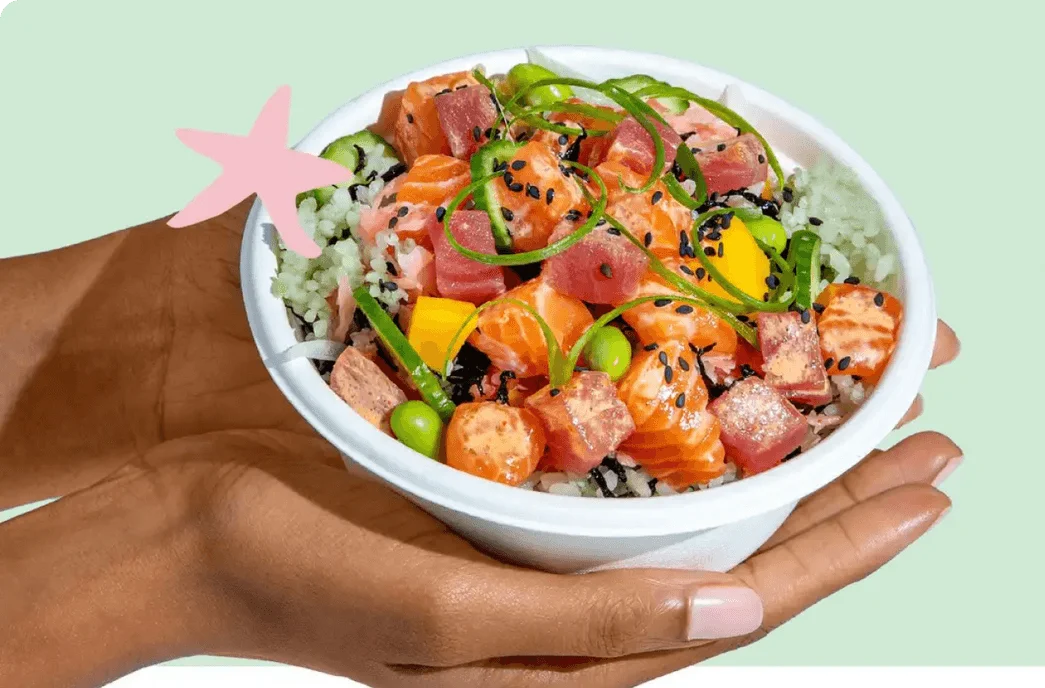
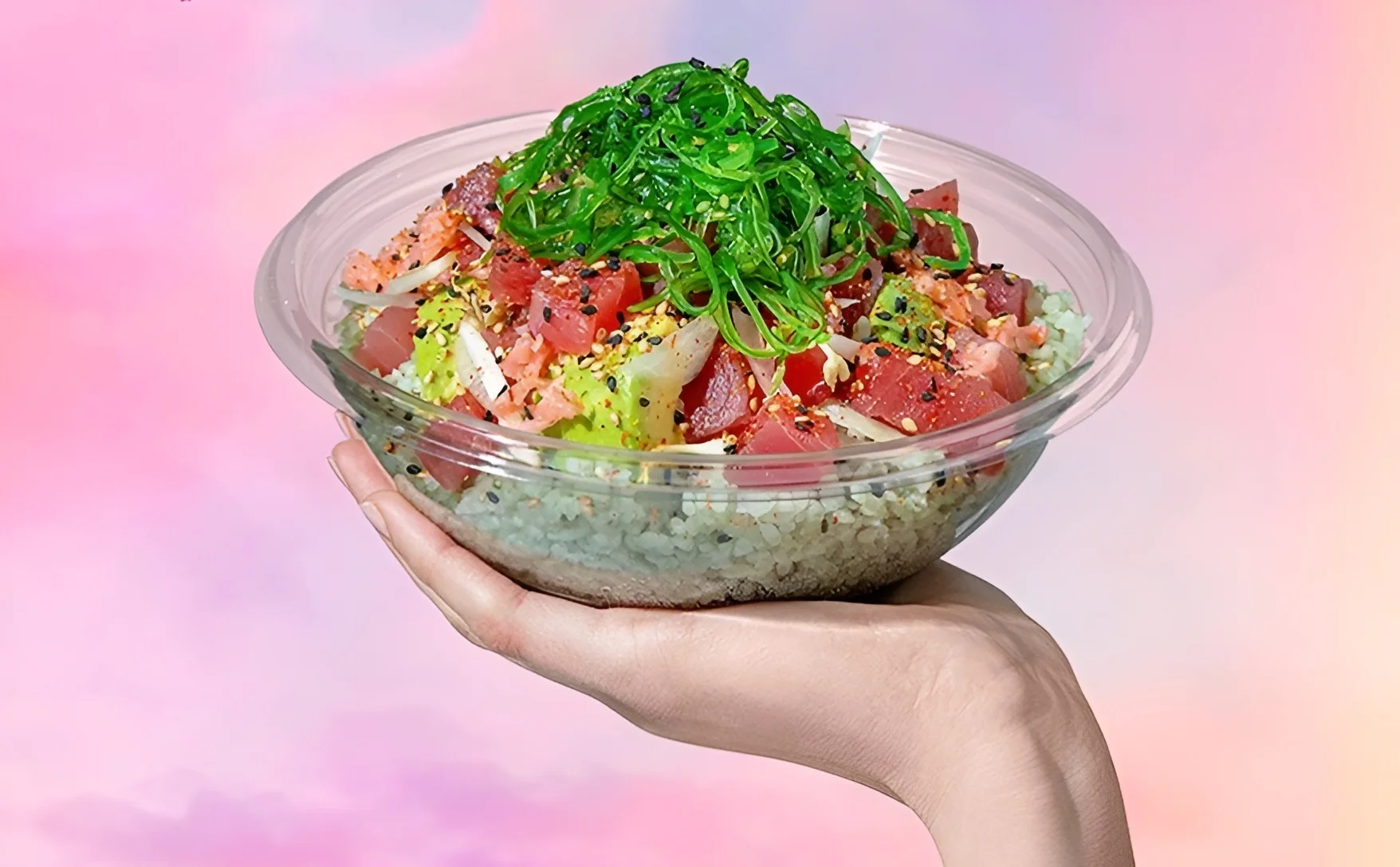
Three bowls. Rice underneath. Seafood on top. At first glance, poke, chirashi, and donburi can look surprisingly similar.
But take a bite and the differences show up quickly. One might give you seasoned fish, bold sauces, and plenty of customization. Another keeps the seafood and sushi rice more distinct. And one of them is not really a single dish at all.
So when you compare a chirashi bowl vs poke bowl, or poke vs donburi, the difference is about much more than what is sitting on top of the rice.
In this blog, we’ll break down what separates poke, chirashi, donburi, and kaisendon, and which one might fit what you are craving.
They Look Similar. So What Actually Changes?
The quickest clue is how the bowl is built.
Poke usually starts with seafood that has already been seasoned or dressed. Chirashi is tied to sushi, with ingredients served over seasoned sushi rice. Donburi is broader: it describes an entire family of Japanese dishes served over rice.
Kaisendon sits inside that donburi family and puts seafood at the center.
They may share rice and seafood, but the preparation and eating experience are what separate them.
Why Does Poke Taste So Different From the Others?
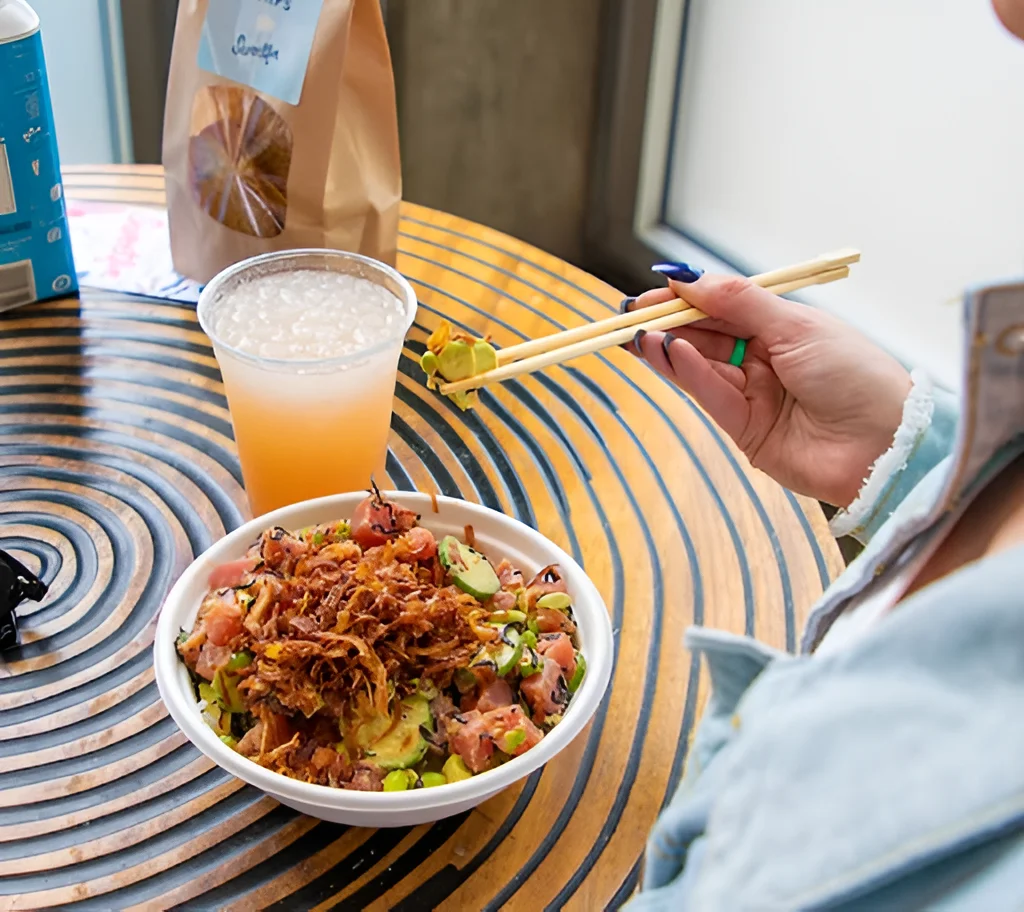
Poke starts with the seafood itself.
Traditional Hawaiian poke began simply, with cut fish seasoned with Hawaiian salt, seaweed, and inamona, or roasted kukui nut. Modern versions expanded from there with ingredients such as onion, shoyu, and sesame oil. Today’s poke bowls build on that idea with bases like rice or greens, sauces, vegetables, avocado, crunchy toppings, and other add-ons.
That means the fish is often carrying flavor before the rest of the bowl comes together. It is one reason poke can feel bolder and more customizable than the other bowls in this comparison.
At Sweetfin, different proteins, bases, sauces, and toppings let you change the experience from one bowl to the next. If you want a closer look at how those pieces work together, the poke bowl ingredients guide breaks down what can go into a bowl.
So What Exactly Is Chirashi?
Think of chirashi as a sushi experience served in a bowl.
The name comes from chirashizushi, often translated as “scattered sushi.” It is built around seasoned sushi rice, with seafood and other sushi ingredients arranged or scattered over or through the rice, depending on the style.
In the version many diners recognize from sushi restaurants, you may find sashimi, cooked seafood, egg, vegetables, or other accompaniments arranged over the rice.
What you usually do not get is the same sauce-forward, mixed experience as modern poke. The rice, seafood, and toppings tend to stay more distinct, so each part of the bowl gets its own moment.
Poke or Chirashi? Here’s What You’ll Notice First
If both bowls are sitting in front of you, the difference becomes easier to spot.
Poke usually gives you seasoned seafood combined with sauces, vegetables, and toppings. Chirashi keeps the sushi rice and its toppings more closely tied to a sushi-style presentation.
So the choice often comes down to what sounds better: a customizable bowl with bold, layered flavors or something closer to a traditional sushi experience.
Is Donburi One Dish, or a Whole Family of Bowls?
Here is where the comparison changes a little.
Donburi is not one specific recipe. It is a broad Japanese category of meals served over rice.
That could mean beef in gyudon, chicken and egg in oyakodon, a breaded cutlet in katsudon, or seafood in another style of donburi.
So donburi vs poke is not quite an apples-to-apples comparison. Poke refers to a particular Hawaiian preparation and food tradition, while donburi describes a much wider family of rice bowls.
Where Does Kaisendon Fit Into All of This?
Kaisendon is where the visual similarities really start to blur.
It is a seafood donburi, typically served with sashimi or other seafood over rice. That can make kaisendon vs poke look like a close comparison.
The difference is usually in the treatment of the seafood. Kaisendon tends to let the fish take center stage, while poke is more likely to season or dress the seafood before the bowl comes together.
Kaisendon can look similar to chirashi too. One useful clue is the rice: chirashi is built around seasoned sushi rice, while kaisendon may be served over plain or vinegared rice depending on the restaurant.


Which Bowl Fits What You’re Craving?
If you want bold sauces, seasoned seafood, and a bowl you can customize, poke is probably calling your name.
Craving something closer to sushi? Chirashi gives you seasoned rice with seafood and other ingredients kept more distinct.
Want a hearty rice bowl? Donburi opens the door to beef, chicken, egg, tempura, seafood, and plenty of other combinations.
And if you mostly want seafood over rice with the fish taking center stage, kaisendon makes sense.
Similar shape. Very different cravings.
Frequently Asked Questions
Is chirashi the same as poke?
No. Chirashi is a Japanese sushi dish built around seasoned sushi rice, while poke comes from Hawaii and usually features seasoned pieces of seafood.
What is the main difference between poke and chirashi?
Poke usually emphasizes seasoned seafood, sauces, and customization. Chirashi is more closely tied to sushi, with ingredients served with seasoned sushi rice.
Is donburi the same as poke?
No. Donburi is a broad Japanese category of rice bowls that can include meat, seafood, eggs, vegetables, or other toppings. Poke is a specific Hawaiian seafood preparation.
What is the difference between chirashi and kaisendon?
Both can feature seafood over rice. Chirashi is closely tied to sushi and seasoned sushi rice, while kaisendon is a seafood donburi. Exact preparation can vary.
Does chirashi always contain raw fish?
No. Chirashi may include raw seafood, but it can also feature cooked seafood, vegetables, egg, and other sushi ingredients.
Different Bowls, Different Cravings
Poke, chirashi, donburi, and kaisendon can all bring seafood and rice together, but that does not make them interchangeable. The seasoning, rice, preparation, and way the ingredients are served give each bowl its own character.
If bold flavors, fresh ingredients, and a bowl you can make your own sound good right now, explore the Sweetfin menu and see what fits your next craving.


Share this article
Written by