October 27, 2026


What Is the Best Rice for a Poke Bowl?

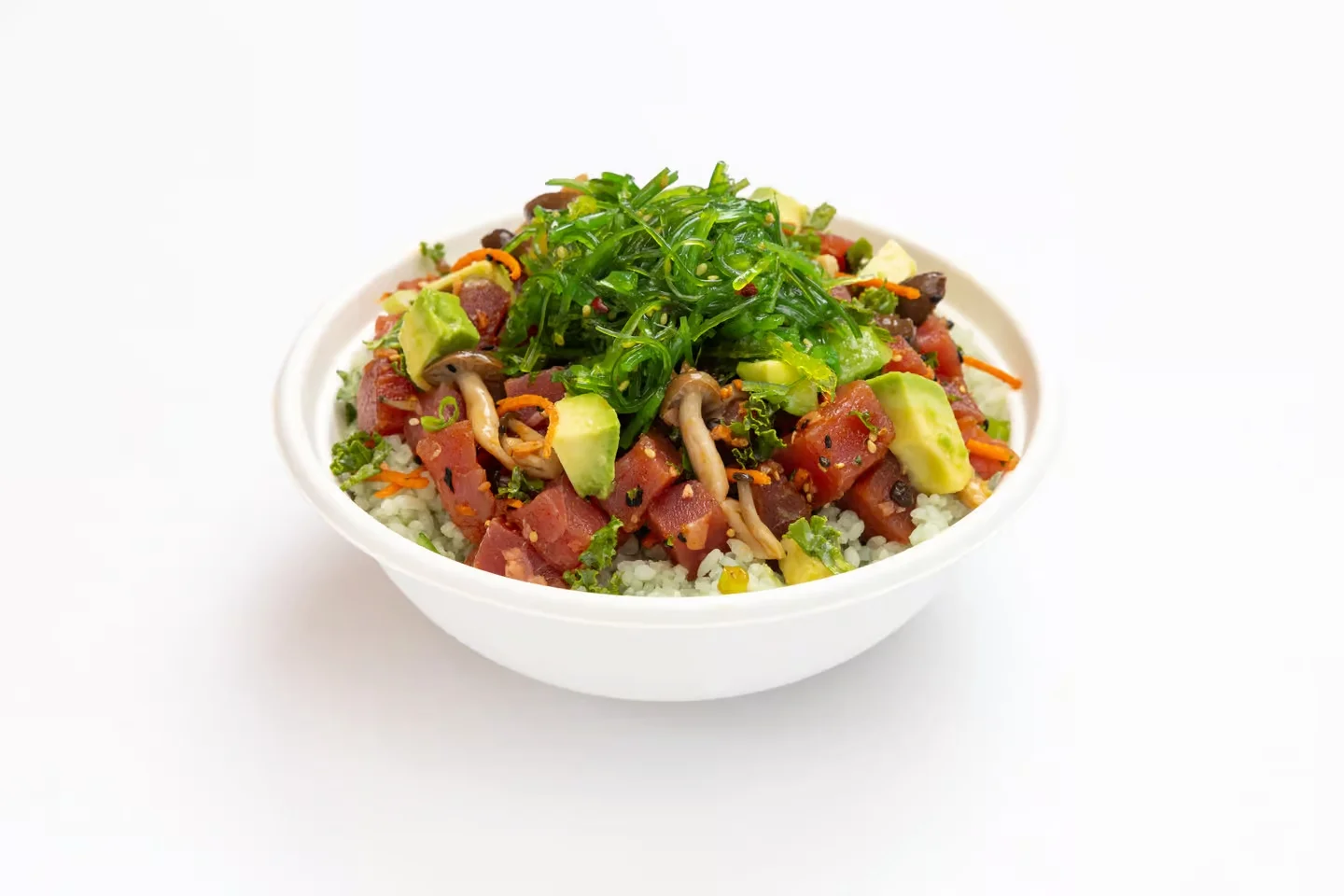
Most people build a poke bowl from the top down. Pick the fish, choose a sauce, add the toppings, and the rice can feel like an afterthought.
But switch the base and the same toppings can feel like a completely different bowl. Sushi rice is soft and slightly tangy. Bamboo rice is subtly sweet and aromatic. Forbidden rice brings a nuttier flavor and more chew.
So the best rice for a poke bowl is not necessarily one universal winner. It depends on whether you want something classic, subtle, or a base with more texture and personality.
In this blog, we’ll compare sushi rice, bamboo rice, and forbidden rice, look at what each one brings to the bowl, and help you figure out which base makes the most sense for what you are craving.
Want the Classic Poke-Bowl Feel? Start With Sushi Rice
If you want a familiar starting point, seasoned sushi rice is hard to beat.
Sweetfin describes sushi rice as lightly seasoned and delicately sticky, with enough vinegar to balance richer flavors. That soft texture also lets the fish, sauce, and toppings stay at the center of the bowl.
That makes a sushi rice poke bowl easy to pair with tuna, salmon, avocado, cucumber, spicy sauces, or citrus-forward dressings.
Choose it when you want the rice to support everything else rather than become one of the strongest flavors in the bowl.
Curious About the Green Rice? Here’s What Bamboo Rice Changes
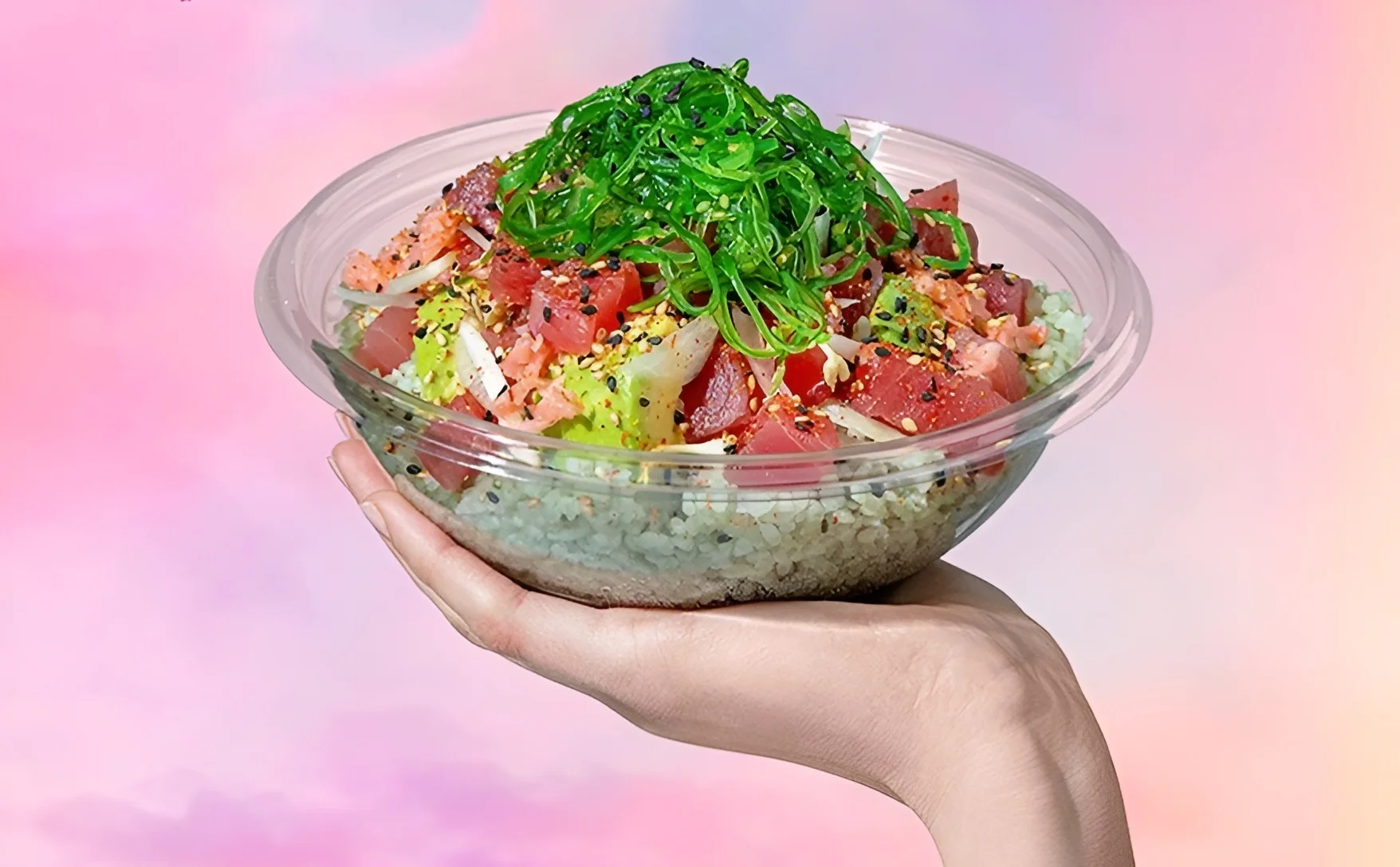
The green color gets attention first, but the flavor is much gentler than you might expect.
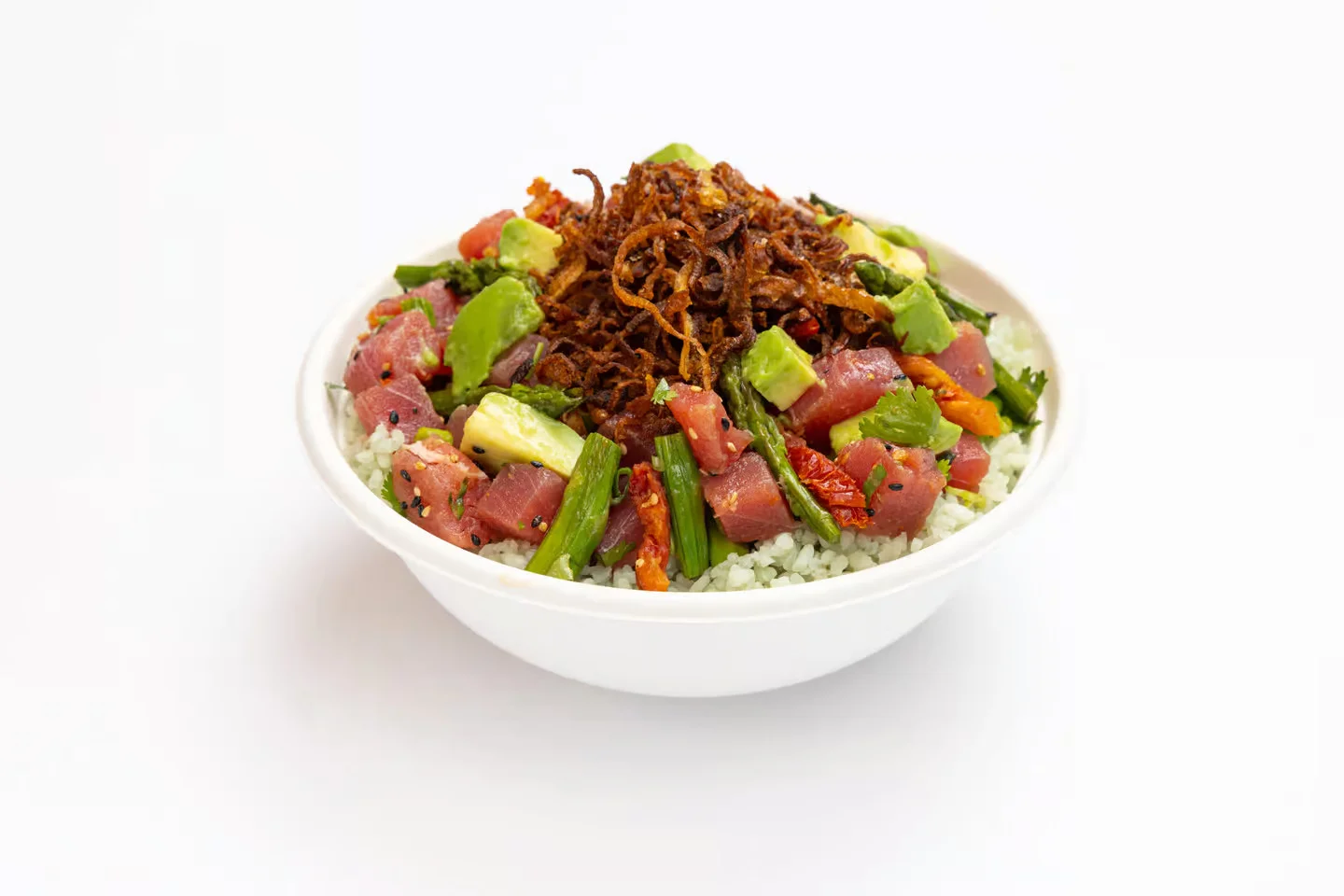
Sweetfin’s bamboo rice is subtly sweet and aromatic, with a soft, sticky texture. Bamboo extract gives it the green color and a light earthy note.
That means it can make the bowl feel a little more distinctive without pulling attention away from the fish or vegetables.
It works especially well when the rest of the bowl is bright, citrusy, or full of fresh produce. If the green rice has you curious, Sweetfin’s guide to bamboo rice goes deeper into what it is and how it works in a bowl.
Want More Bite? Forbidden Rice Plays a Different Role
Forbidden rice changes the experience more noticeably.
It has a deep purple-black color, a chewier bite, and a nutty, slightly sweet flavor. Compared with sushi or bamboo rice, the base itself has more presence.
That extra chew can work especially well when the bowl has bold sauces, richer flavors, or plenty of toppings because the rice does not disappear underneath them.
If you like texture in every layer of your poke bowl, forbidden rice is the option most likely to make the base part of the experience.
Still Choosing? Here’s the Quick Rice Matchup
Bamboo Rice vs Sushi Rice
Both bamboo rice and sushi rice stay soft enough to let the fish and toppings lead.
Sushi rice brings a more familiar, lightly tangy flavor, while bamboo rice adds subtle sweetness, aroma, and that distinctive green color.
Choose sushi rice when you want classic. Choose bamboo rice when you want something a little less expected without moving too far away from a soft, sticky base.
Bamboo Rice vs Forbidden Rice
Bamboo rice and forbidden rice create a more obvious contrast.
Bamboo rice stays soft and subtle. Forbidden rice brings more chew and a nuttier flavor, so you are more likely to notice it in each bite.
If you want the base to sit quietly underneath the poke, bamboo rice makes sense. If you want the rice itself to add texture and depth, forbidden rice is the stronger choice.
Let the Rest of the Bowl Help You Choose
Still torn between two bases? Look at what else is going into the bowl.
A delicate or citrusy combination may call for softer sushi or bamboo rice. Going bigger on spice, umami, or richer toppings? The extra chew of forbidden rice can hold its own.
And if your bowl already has plenty of crispy or crunchy toppings, a softer rice underneath can create a nice contrast.
There are no rigid pairing rules here. The point is to think about whether you want the poke bowl grain to blend in, add a subtle extra note, or become a noticeable part of every bite.
Sweetfin’s Poke Bowl Ingredients 101 guide can also help you see how the base, protein, sauce, and toppings work together.


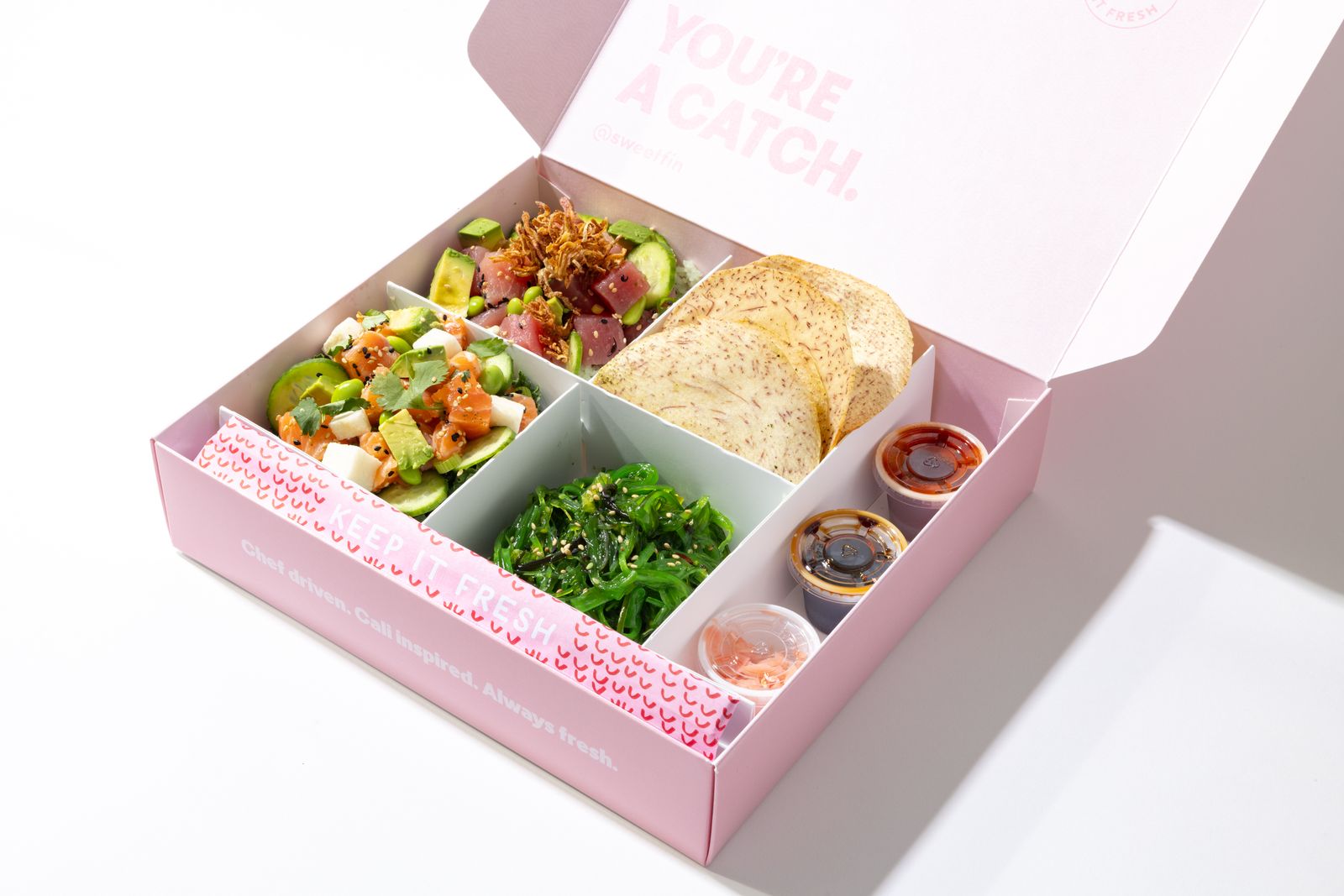
So, What Is the Best Rice for a Poke Bowl?
For the most classic and versatile bowl, start with seasoned sushi rice.
Want something equally soft but a little more aromatic and unexpected? Try bamboo rice.
Want the rice itself to bring extra chew and nuttiness? Go with forbidden rice.
There is no single winner because each one changes the bowl differently. The best rice for a poke bowl is the one that gives the rest of your ingredients the kind of base you actually want to eat.
Frequently Asked Questions
What is the best rice for a poke bowl?
Sushi rice is the easiest all-around option for a classic poke bowl. Bamboo rice works when you want a soft, aromatic base, while forbidden rice gives you more chew and nuttiness.
Is sushi rice good for poke bowls?
Yes. Seasoned sushi rice is soft, lightly tangy, and sticky enough to work well with fish, sauces, and toppings.
What is the difference between bamboo rice and sushi rice?
Bamboo rice is subtly sweet and aromatic, while sushi rice is more familiar and lightly tangy. Both have a soft, sticky texture.
What is the difference between bamboo rice and forbidden rice?
Bamboo rice is softer and milder. Forbidden rice is chewier, nuttier, and more noticeable in the finished bowl.
Can you use other grains instead of rice in a poke bowl?
Yes. A poke bowl does not have to start with traditional rice. Sweetfin’s ingredient guide also lists alternative bases such as cauliflower rice and citrus kale salad alongside its rice options.
Start With the Base You’re Craving
The rice underneath your poke does more than hold everything up. It changes the texture, flavor, and balance of the bowl before the first topping is added.
If you want to taste the difference for yourself, explore the Sweetfin menu and start your next bowl with the base that sounds best today.


Share this article
Written by