November 27, 2026


What Does "Sushi-Grade" Fish Actually Mean?


“Sushi-grade” sounds like an official stamp of approval. It isn’t.
There is no FDA grade called “sushi-grade,” and “sashimi-grade” is not a separate government standard either. Those terms are commonly used by sellers to signal that they consider the fish suitable for eating raw.
That does not mean there are no standards around fish served raw. What matters more is what happened before the fish reached your bowl: where it came from, how it was handled, how cold it stayed, and whether freezing was required for that species.
In this blog, we’ll look at what sushi-grade actually means, whether sushi-grade and sashimi-grade are different, why some raw fish is frozen, and what parasite risk really has to do with poke.
Sushi Grade Sounds Official. Is It?
The word “grade” makes it sound as though someone inspected the fish and gave it an official score.
That is not how the term works in the U.S. The FDA does not have a formal sushi-grade classification that a fish has to earn before it can be served raw.
Restaurants, seafood suppliers, and markets may still use the phrase because it quickly tells customers the fish is intended for raw preparations.
So if you have ever wondered, “What does sushi grade mean?” think of it as useful shorthand rather than a government certificate.
So, What Does “Sushi Grade” Actually Tell You?
It generally means the seller considers the fish appropriate for raw dishes such as sushi, sashimi, or poke.
The important part is what sits behind that claim. Fish intended for raw use needs careful sourcing, cold handling, and the right parasite controls when they apply.
In other words, the label can tell you how the seller intends the fish to be eaten. It cannot tell you the full story of how that fish moved from the source to your plate.
Sushi Grade vs. Sashimi Grade: Is There Really a Difference?
When people compare sushi grade vs. sashimi grade, it is easy to assume sashimi-grade must be the higher standard.
There is no official U.S. grading system that makes that distinction. Neither term has its own FDA grade, and one is not automatically above the other.
A supplier may prefer one phrase over the other, but the words alone do not tell you which fish was sourced or handled better.
What Matters More Than the Words “Sushi Grade”?
Look beyond the label.
For raw fish, the source matters. So does keeping it properly chilled, handling it carefully, and following the right parasite-control steps for the species involved.
That is also why buying fish for raw preparation is different from simply choosing the fillet that looks freshest in a display case. Appearance can tell you something about quality, but it cannot confirm everything that happened before the fish got there.
Sweetfin describes its Pole to Bowl approach as responsibly sourced seafood that is cut fresh in-house daily. That kind of sourcing and handling context tells you more than the phrase “sushi-grade” by itself.
Does Raw Fish for Poke Have to Be Frozen?
Sometimes.
The FDA Food Code includes freezing requirements for many fish that will be served raw or undercooked because proper freezing can destroy parasites that may be present.
But not every fish follows the same rule. Certain tuna species are exempt from the FDA Food Code’s parasite-destruction freezing provisions, and some farm-raised fish may also qualify for exemptions when specific conditions are met.
So if you are wondering, “Is poke fish frozen?” the answer is not always. It depends on the fish and the requirements that apply to it.
And frozen does not automatically mean lower quality. For some raw seafood, freezing is an intentional food-safety step rather than a shortcut.
So, Should Parasites Be Something You Worry About?
Some fish can naturally carry parasites, which is one reason certain raw fish has freezing requirements in the first place.
Proper freezing can destroy parasites when that step is required. But it is only one part of safe handling. Keeping fish cold, sourcing it properly, and handling it carefully still matter.
Freezing also does not remove every possible food-safety risk, which is why the rest of the handling process remains important.
For diners, the practical takeaway is simple: choose places you trust to handle raw seafood properly rather than trying to judge safety from appearance or the words “sushi-grade” alone.
What Does This Mean for Your Poke Bowl?
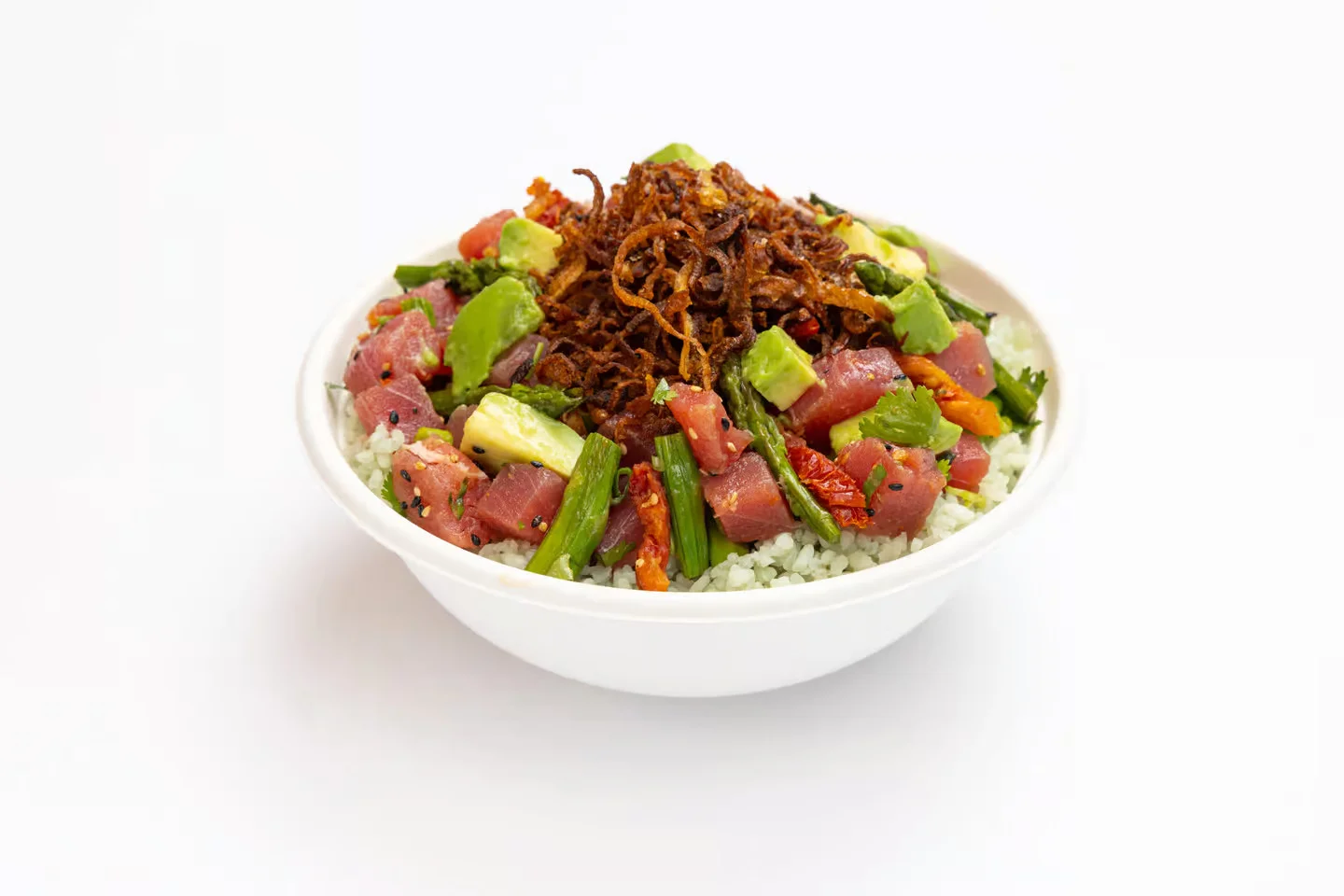
When you are ordering poke, “sushi-grade” can still be useful shorthand. It just should not be the only part of the story.
Sweetfin says its seafood is responsibly sourced and cut fresh in-house. You can also see how its fish and other ingredients are described in the Sweetfin ingredient guide.
Once the sourcing and handling are taken care of, the more enjoyable decisions begin: tuna or salmon, rice or greens, spicy or citrusy sauce, and whatever crunchy toppings sound good that day.
Frequently Asked Questions
What does sushi grade mean?
“Sushi-grade” generally means a seller considers the fish suitable for eating raw. It is not an official FDA grade or certification.
Is sushi grade regulated by the FDA?
No. There is no FDA grade called “sushi-grade.” Raw fish is still subject to food-safety controls, including parasite-destruction requirements where applicable.
Is sushi grade the same as sashimi grade?
There is no official U.S. regulatory distinction between sushi-grade and sashimi-grade. Sellers may use the terms differently, so one should not automatically be considered a higher grade.
Is poke fish frozen before it is served raw?
Some fish served raw must meet freezing requirements for parasite control, while certain tuna species and qualifying aquacultured fish are exempt.
Can raw fish contain parasites?
Yes, some fish can carry parasites. Proper freezing is one method used to destroy them when those controls are required.


The Label Is Only Part of the Story
“Sushi-grade” is useful shorthand, but it does not tell you everything about the fish in front of you. Sourcing, handling, temperature control, and the right parasite-control steps matter more than the label alone.
Once those details are handled, you can focus on what makes poke worth ordering in the first place: fresh fish, bold sauces, plenty of texture, and a bowl built around what you actually want to eat.
Explore the Sweetfin menu to see the current poke bowls and build-your-own options.


Share this article
Written by