August 11, 2026

.svg)

Hot Honey, Chili Oil & Gochujang: Why Sweet Heat Is Taking Over Bowls

You know that first bite when something sweet hits your tongue, and then a slow warmth creeps in right behind it? That back and forth is why you keep reaching for the next spoonful. Sweet heat makes a meal feel awake, and it explains why a sweet spicy sauce now shows up on nearly every menu worth reading.
The sweet heat food trend didn't come from nowhere. Chefs have played with sugar and spice for years, and diners caught on fast once they tasted the balance. This piece walks you through three sauces driving the shift, how they stack up against each other, and how to match them to your bowl so your next meal wakes up your palate.
What Makes Sweet Heat So Addictive
The sweetness hits first, softening the spice just enough. Then the warmth lingers, making you want another bite. Neither one takes over, so you keep tasting instead of reaching for water.
That balance is why sweet heat beats pure fire. A blast of chili on its own numbs you, but a good sweet spicy sauce lets every flavor shine. That's how the trend moved from restaurant kitchens into home pantries, with hot honey and chili crisp landing on grocery shelves next to the ketchup.
That's exactly where poke bowls shine. Fresh seafood, creamy avocado, crisp vegetables, and house-made sauces already bring plenty to the table. Add the right sweet heat, and suddenly every ingredient has something to play off.
1. Hot Honey Ponzu: Bright, Sticky, and Built for Seafood
Hot honey ponzu combines citrusy ponzu with the warm sting of chili-infused honey. You get brightness from the citrus, a sticky sweetness from the honey, and a gentle heat that never buries the rest. It's surprisingly delicate, which matters more than you'd expect.
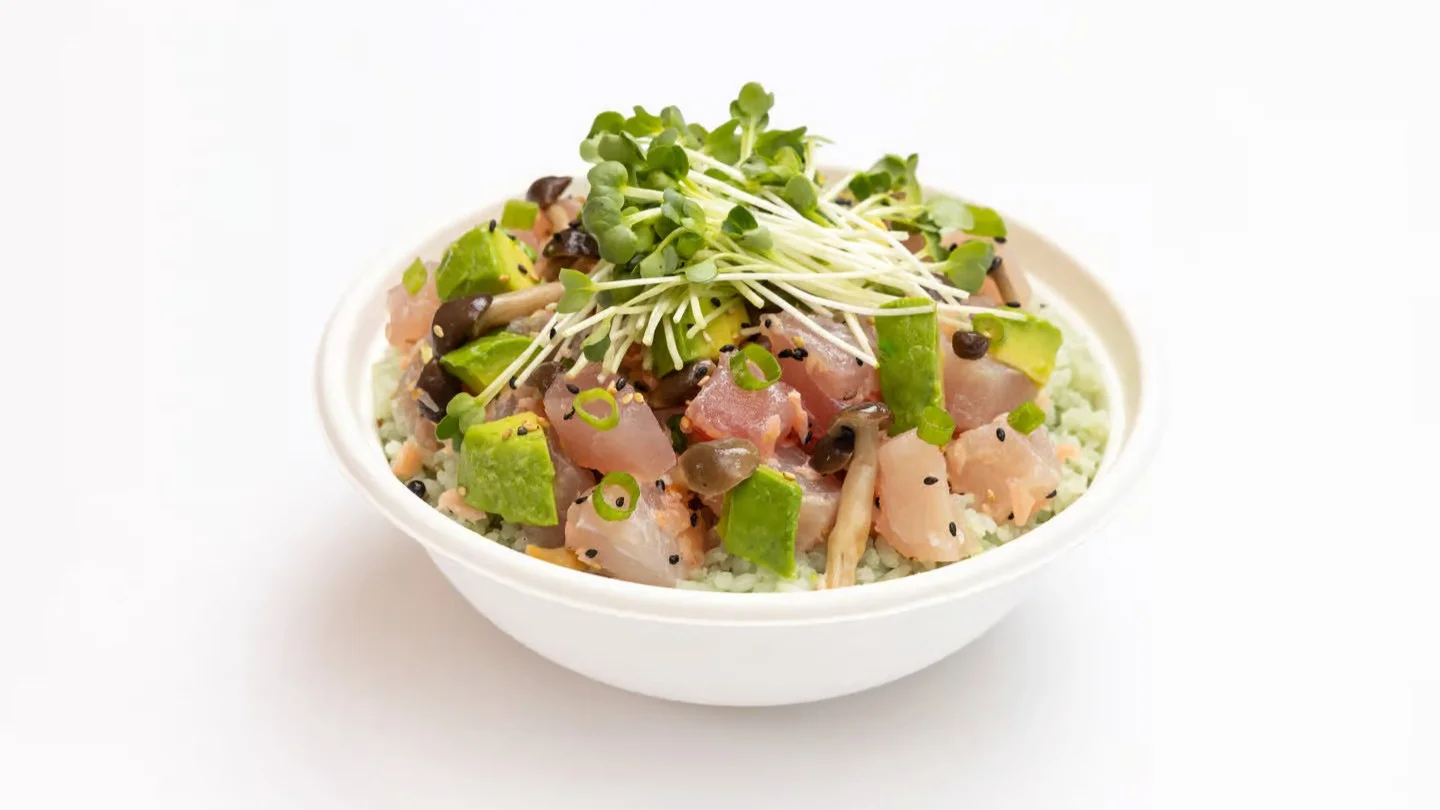
That lightness is why it works so well on raw fish and fresh greens. Tuna and salmon carry subtle flavor, and a heavy sauce would flatten them. Hot honey ponzu lifts a spicy poke bowl instead, adding shine without weight. Reach for it when you want the seafood to stay the star.
2. Chili Oil: Deep, Toasty Heat With a Slow Burn
Chili oil is what it sounds like, oil steeped with chilies and aromatics like garlic, ginger, or sesame. The heat runs toasty and rounded, arriving as a slow burn instead of a sharp jab. It tastes cooked-in, almost roasted.
Because chili oil coats every ingredient, its flavor spreads through the entire bowl. That coverage makes a chili oil bowl feel like one thing rather than a pile of separate parts, with heat in each bite. It shines on rice-heavy and veggie-forward builds, where the oil clings to everything it touches. A little sweetness in the blend rounds out the burn so it warms you rather than shouting.
3. Gochujang Sauce: Fermented Depth Meets Sweetness
Gochujang starts as a Korean fermented chili paste, then loosens into a pourable sauce you can drizzle over almost anything. What sets it apart is depth. Fermentation builds a savory, umami-rich base you can't fake with fresh chilies alone.
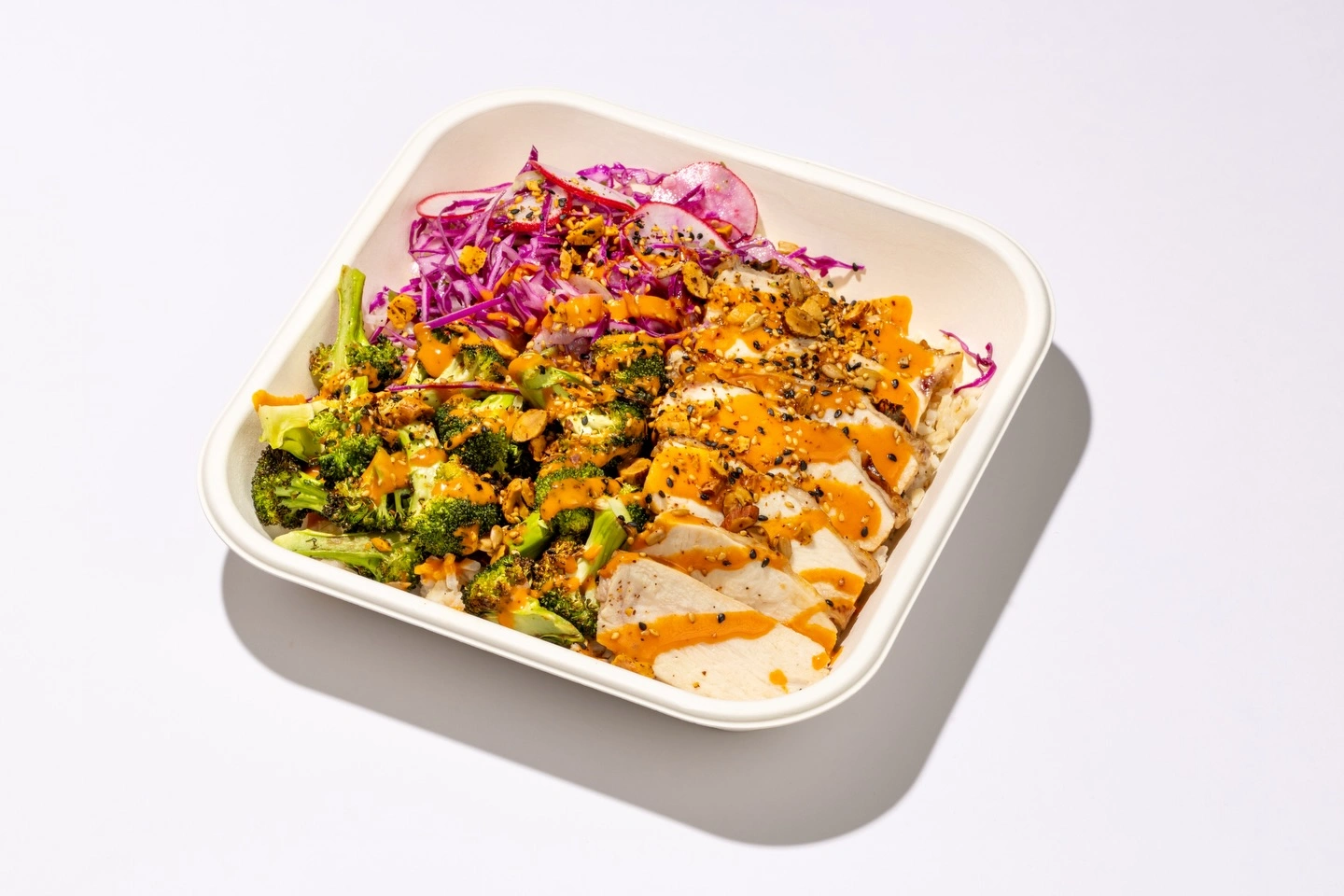
That backbone makes gochujang sauce a match for hearty proteins and warm grain bowls, where its intensity has something to grip. Chicken, tofu, and beef all take it well. The built-in sweetness keeps the heat from turning mean, so instead of a slap you get a rich, rounded warmth that pulls the whole bowl together.
How These Three Sweet Heat Sauces Actually Compare
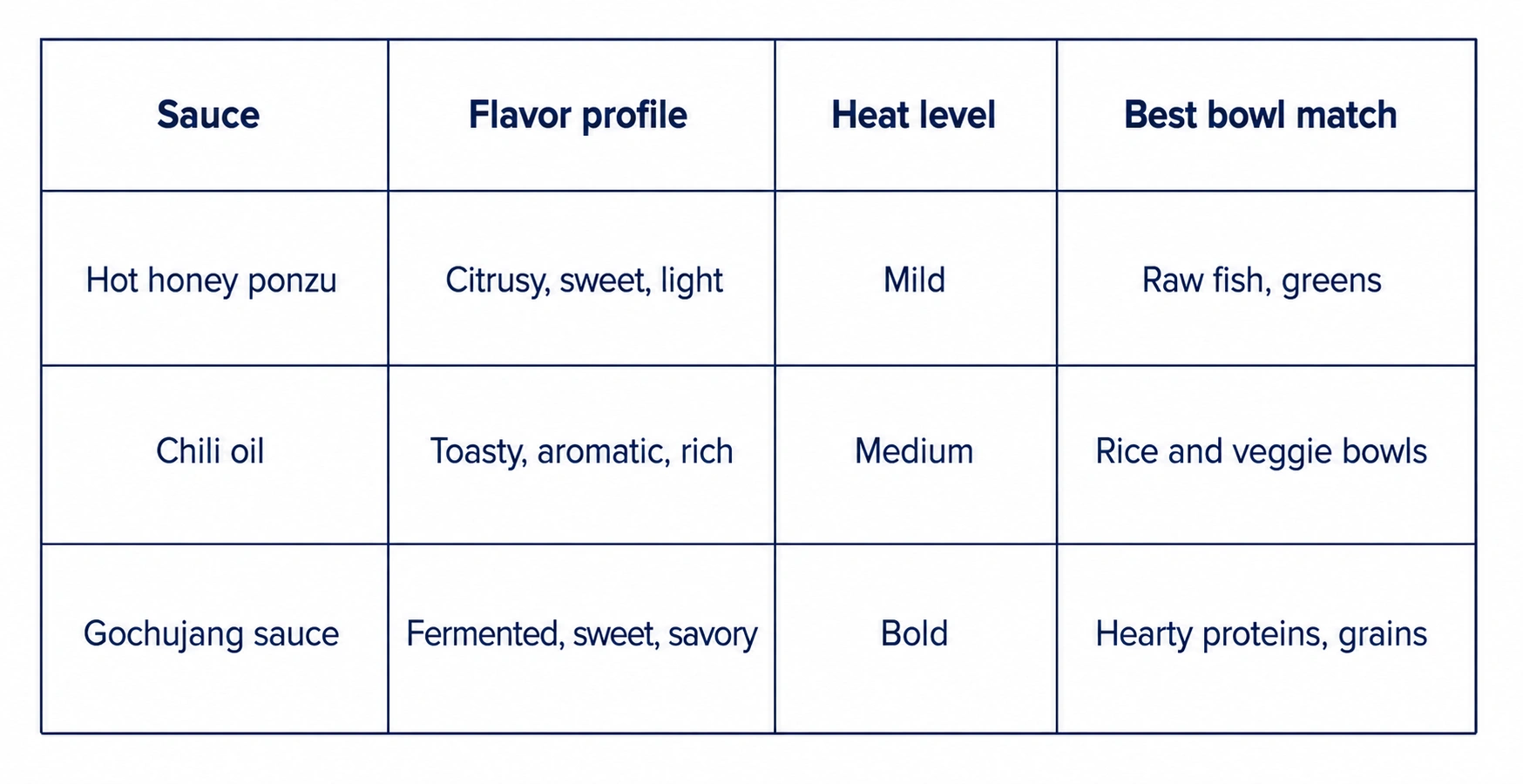
Each sauce brings a different kind of heat. Hot honey ponzu is bright and clean, chili oil runs toasty and deep, and gochujang is fermented and savory. Their textures split just as clearly, from a thin drizzle to an oily gloss to a thick coat that clings.
Matching the Right Sweet Heat to Your Bowl

Pairing comes down to weight and boldness. Delicate fish wants hot honey ponzu, since its brightness supports the fish rather than smothering it. Veggies and rice call for chili oil, where the fat carries flavor into every corner of a chili oil bowl. Bold proteins can stand up to gochujang sauce and its fermented punch.
Whatever you pick, start small. A light drizzle lets you taste the balance first, then add more if you want a hotter spicy poke bowl. Building heat on your own terms beats drowning a bowl and wishing you hadn't. You stay in control, and the dish stays worth eating.
Building Your Own Sweet Heat Bowl at Sweetfin
Start with a base, add a protein, then pick a sauce that plays along instead of fighting the rest. A warm grain base loves gochujang, while crisp greens welcome hot honey ponzu. Think about how the three parts talk to each other before you commit.
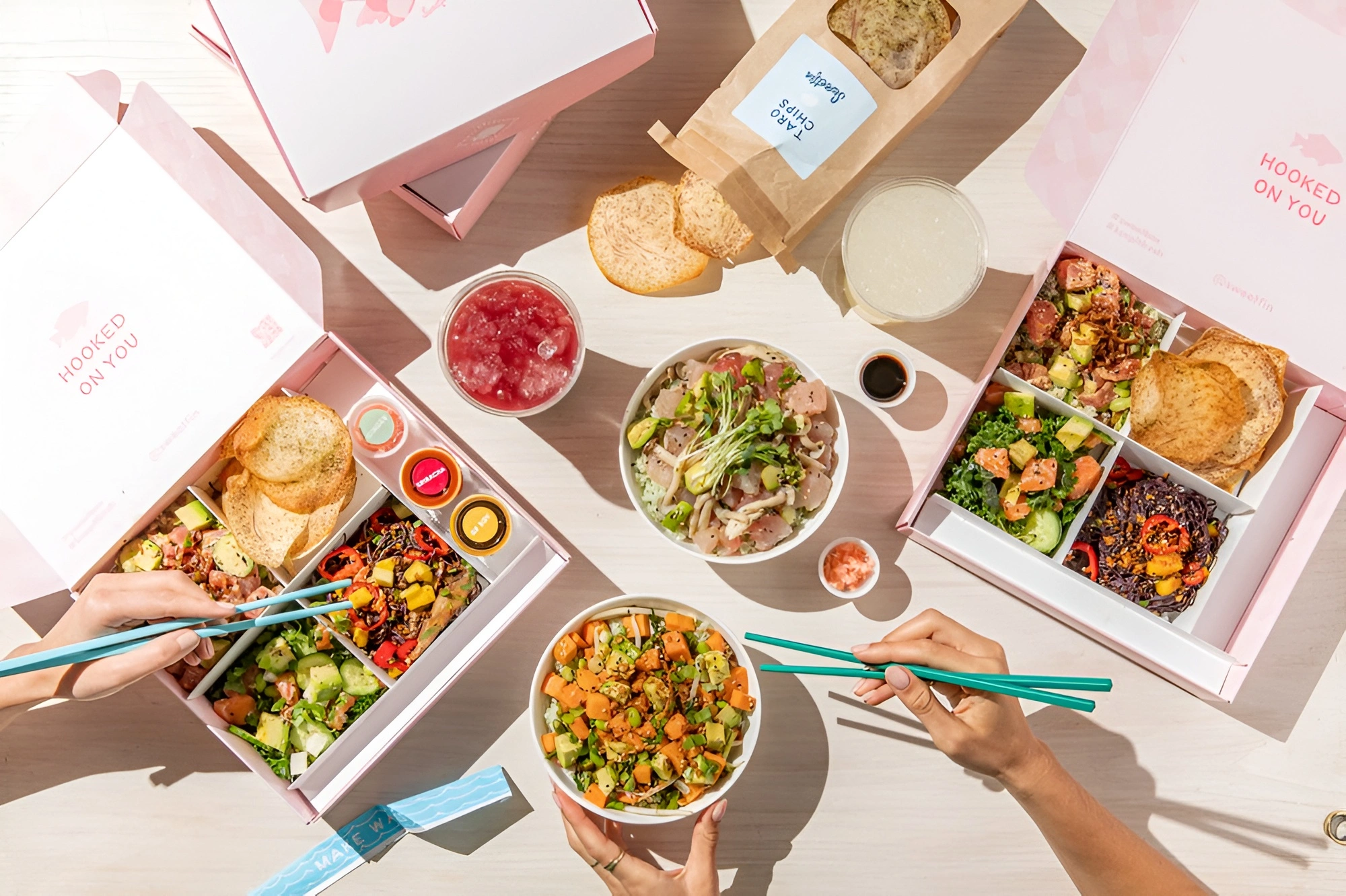
If you're building your own bowl, think about what you want the sauce to do. Want something bright and citrusy? Go with hot honey ponzu. Looking for slow-building warmth? Chili oil is a great match. Craving deeper, savory flavors? Gochujang-inspired sauces bring plenty of personality. Sweetfin's house-made sauces make it easy to experiment until you find your favorite combination.
Frequently Asked Questions
Is sweet heat too spicy for people who don't like spice?
Usually not. The sweetness in these sauces softens the burn and stretches it out, so beginners taste warmth instead of shock. Start with hot honey ponzu and add more once you find your comfort zone.
What's the difference between hot honey ponzu and gochujang sauce?
Hot honey ponzu is bright, citrusy, and light, built for delicate ingredients. Gochujang brings fermented depth and a bolder, savory heat that suits heartier proteins. One lifts, the other anchors.
Which sauce works best on raw fish?
Lighter sauces suit delicate seafood best, which puts hot honey ponzu at the top. It adds brightness and gentle heat without hiding the natural flavor of tuna or salmon.
Can you mix more than one sweet heat sauce in a bowl?
You can, though restraint helps. Pair a lighter sauce with a bolder one and keep the total amount modest, so the flavors layer instead of competing and turning your bowl muddy.
Are these sauces gluten-free?
Not always, since traditional versions can hide wheat in the soy or paste. Check the label first. At Sweetfin, the entire menu is gluten-free, so every sauce fits without the guesswork.
Ready to Spice Things Up?
Sweet heat keeps earning a spot in your bowl because it does something simple and satisfying, giving your palate comfort and a little thrill in the same bite. Once you know how ponzu, chili oil, and gochujang each behave, choosing becomes half the fun.
The reward is finding your own ratio of sugar to spice, the one that makes you slow down and taste. Ready to see where your palate lands?
Build a sweet heat bowl at Sweetfin, customize your sauce, and let fresh ingredients do the rest.

.svg)
.svg)
.svg)
Share this article
Written by

.svg)