September 18, 2026

.svg)

Hispanic Heritage Month & California’s Latin-Asian Flavor Crossovers

Some of the most interesting flavor combinations are not as new as they might seem.
Across Latin America, migration and cultural exchange have shaped the way people cook for generations. One well-known example is Peru, where Japanese immigration eventually gave rise to a food tradition that brings Japanese techniques together with Peruvian ingredients and flavors.
California adds its own personality to that story. Here, citrus, chile, cilantro, soy, sesame, yuzu, and fresh seafood can easily share the same plate.
Hispanic Heritage Month, celebrated from September 15 through October 15, is a time to learn more about the histories, cultures, and contributions of Hispanic and Latino communities. Food is only one part of that story, but it can be a delicious place to start.
From Nikkei cuisine in Peru to aguachile from Mexico’s Pacific coast, here’s a closer look at the traditions behind some of the flavors that continue to inspire California cooking today.
What Does Latin-Asian Fusion Food Actually Mean?
Latin-Asian fusion food is not one specific cuisine.
The term can describe many ways that Latin American and Asian food traditions come together. Some combinations developed over generations as communities moved, settled, and adapted familiar recipes to new places. Others are newer creations from chefs influenced by more than one culture.
Adding soy sauce to a dish with chile does not automatically give it a long cultural history. Sometimes it is simply a creative combination of flavors.
Citrus can brighten seafood, while chiles bring heat. Soy, miso, and sesame add savory depth, while fresh herbs, ginger, and yuzu keep those flavors lively.
When the balance is right, the combination feels natural rather than forced.
How Did Japanese and Peruvian Flavors Come Together?
One of the best-known examples of a long-established cultural crossover is Nikkei cuisine.
Japanese immigration to Peru began in the late 1800s, with the first official group of Japanese immigrants arriving in 1899. As Japanese communities became part of Peruvian life, their cooking traditions began to meet local ingredients and flavors.
Over time, this helped shape what we now commonly call Peruvian-Japanese food.
In Peru, Japanese approaches to preparing seafood met local ingredients such as citrus, ají peppers, and herbs.
Those influences developed into Nikkei cuisine, a food tradition with its own identity and a history that began long before it appeared on California menus.
Why Do These Flavors Work So Well in California?

California has long been shaped by people and food traditions from around the world.
Latin American and Asian communities have both had a significant influence on California’s food culture.
That makes California a natural place for flavors to cross paths.
Think about seafood with citrus and soy, chiles paired with sesame, or tropical fruit alongside Japanese-inspired sauces. These combinations can feel familiar even when they come from different culinary traditions.
You can see that same California approach throughout the menu, where ingredients such as yuzu, ponzu, miso, jalapeño, cilantro, jicama, chile, and fresh seafood often appear alongside one another.
Why Is Aguachile Such an Interesting Example?
If you like seafood with plenty of brightness and heat, aguachile is a good dish to know.
Aguachile comes from Sinaloa on Mexico’s Pacific coast. Traditional versions commonly feature shrimp with lime and chile, often alongside cucumber and red onion.
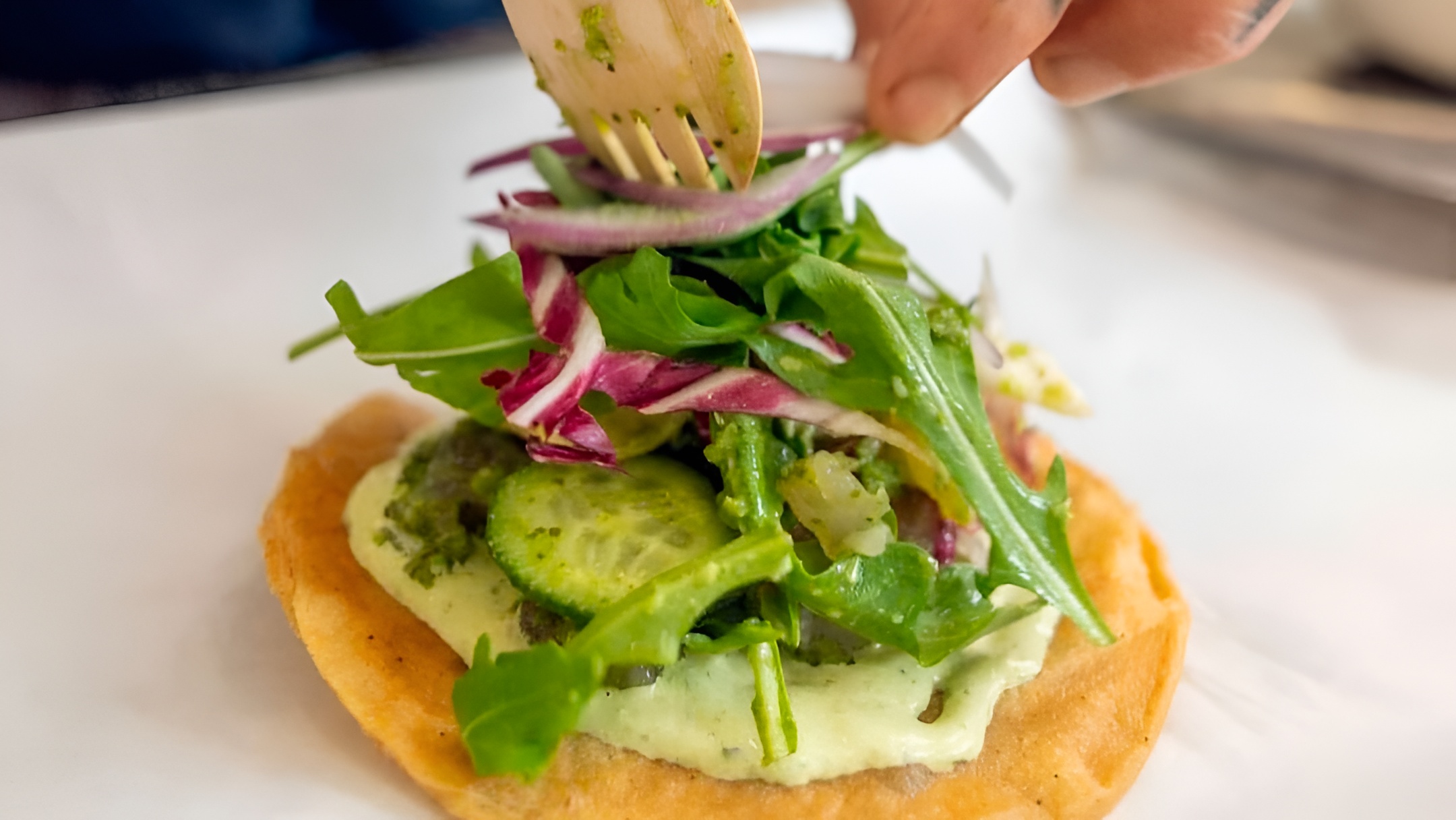
Serve those flavors on a tostada, and you get even more contrast. There is cool seafood, bright citrus, chile heat, fresh vegetables, creamy avocado, and crunch in the same bite.
A previous aguachile-inspired tostada collaboration brought that idea into a California setting with sustainable albacore, house-made aguachile sauce, cucumber, avocado, greens, gluten-free tostadas, and cilantro crema.
It shows how an established Mexican flavor profile can inspire something new without losing sight of where the inspiration began.
Where Can You Taste These Flavor Crossovers?
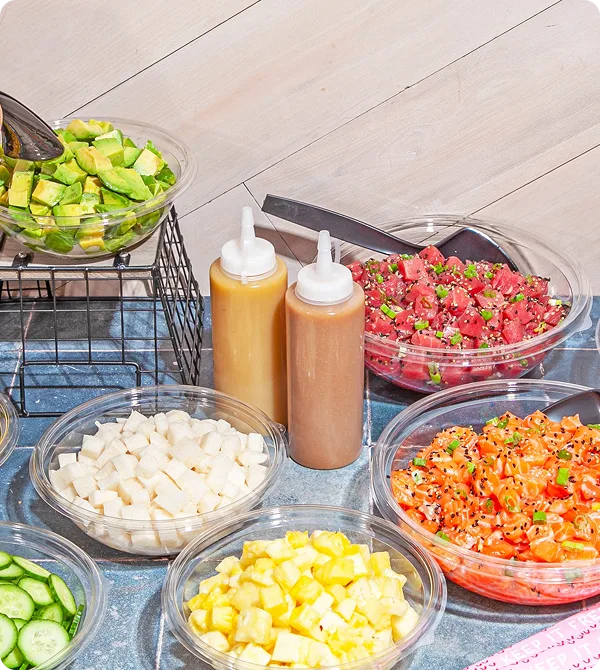
Sometimes the easiest way to understand a flavor crossover is to look at the ingredients.
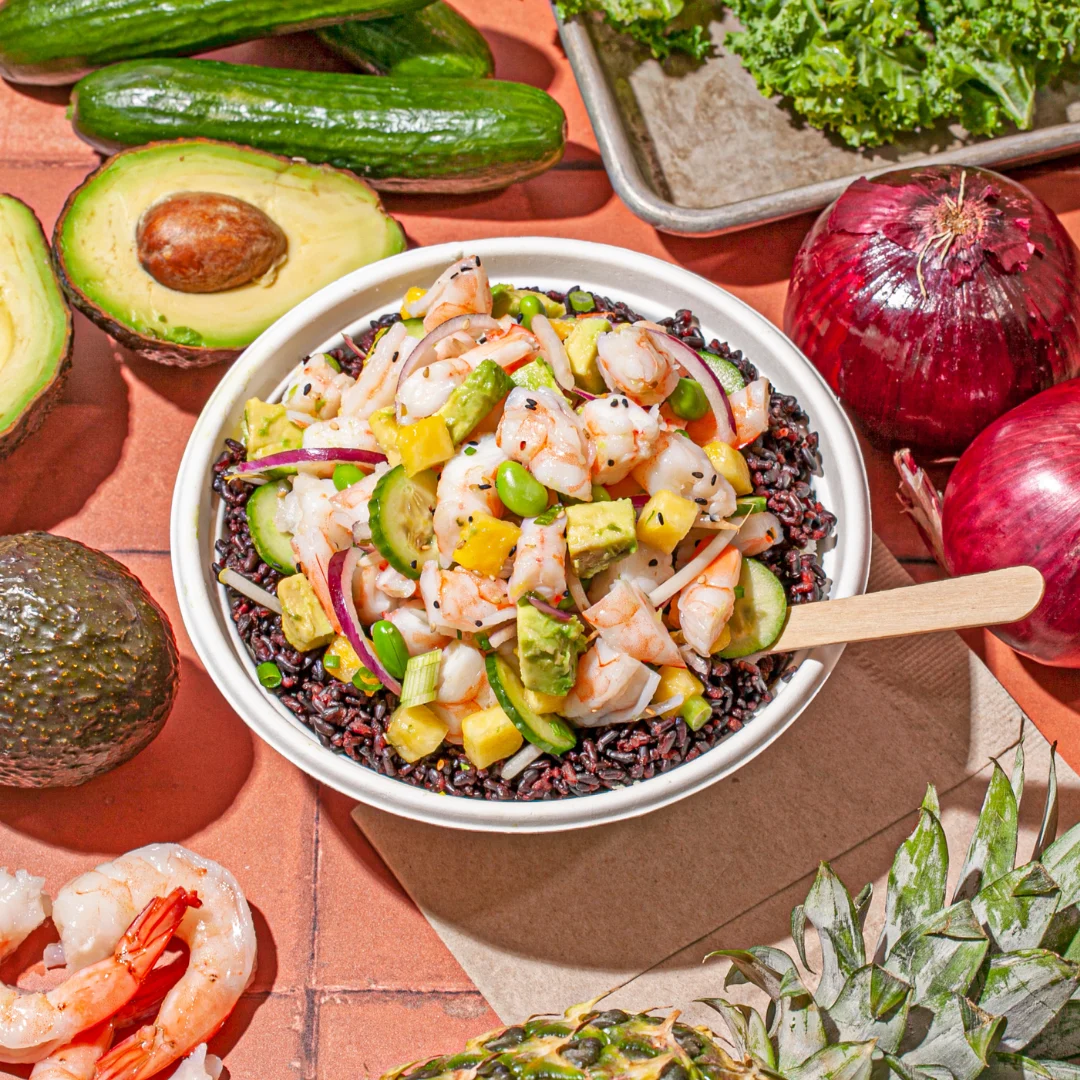
The Cali Bowl, for example, brings together yellowfin tuna and pineapple with Fresno peppers and house-made pineapple ponzu. The Yuzu Salmon Bowl combines salmon with yuzu kosho, cilantro, jicama, cucumber, avocado, and edamame.
You can also find ingredients such as jalapeño, chile oil, ponzu, sesame, and fresh herbs appearing together across the menu.
These are not traditional Nikkei dishes, and they should not be described that way. Instead, they reflect the creativity of California’s contemporary Asian-inspired food scene, where different influences can meet while still keeping their own character.
That distinction matters. You can enjoy a new combination while still understanding the difference between a historic food tradition and a newer California interpretation.
How Can You Explore These Flavors During Hispanic Heritage Month?
Hispanic Heritage Month food ideas do not have to represent an entire culture in one meal. Start with curiosity instead. Try a cuisine you have not explored, learn where a favorite ingredient comes from, or read about Nikkei cooking, Peruvian food, and Mexican coastal seafood.
When a dish brings cultures together, ask where the flavors came from and whether you are tasting a long-established tradition or a newer chef interpretation.
Food becomes much more interesting when you know a little about the story behind it.
Frequently Asked Questions
What is Latin-Asian fusion food?
Latin-Asian fusion food brings together ingredients, techniques, or influences from Latin American and Asian cuisines. Some combinations come from generations of cultural exchange, while others are newer chef-driven interpretations.
What is Nikkei cuisine?
Nikkei cuisine is commonly associated with the Japanese community in Peru and the cooking traditions that developed through Japanese and Peruvian influences.
Is Nikkei cuisine the same as Peruvian-Japanese food?
People often use the terms together when discussing Japanese-Peruvian cuisine, although “Nikkei” has a broader cultural meaning tied to Japanese emigrants and their descendants.
What is an aguachile tostada?
An aguachile tostada combines the chile-and-citrus flavors associated with Mexican aguachile with a crisp tostada, often alongside seafood and fresh vegetables.
There’s a Story Behind the Flavor
Great flavor can bring different ingredients together. Knowing where those ingredients and ideas came from makes the experience even richer.
Hispanic Heritage Month is a chance to explore those stories with curiosity and respect, whether you are learning about generations-old Nikkei cuisine or discovering a newer California interpretation.
Explore the Sweetfin menu to discover fresh ingredients and globally inspired flavors brought together with a California point of view.

.svg)
.svg)
.svg)
Share this article
Written by

.svg)