March 18, 2026

.svg)

Gochujang Sauce 101: Korean Flavors That Transform Your Poke Experience


Korean flavors have quietly taken over modern menus for good reason. At the center of this shift is gochujang, a centuries-old fermented chili paste that delivers something most hot sauces simply can't: layers. Heat, sweetness, and umami all arrive together, building slowly rather than hitting all at once.
As poke bowls evolved beyond the basics of soy and sesame, Sweetfin has already woven Korean fermentation into its scratch-made sauces, creating something genuinely exciting. The result? Bowls that feel both fresh and deeply flavored.
In this blog, we'll break down what gochujang sauce actually is, why black garlic takes it even further, and how Sweetfin is putting it to work in two standout poke bowls.
What is Gochujang Sauce?
In Korea, Gochujang sauces are placed with sesame oil and soy sauce. It is one of those ingredients people grow up with.
These start with a fermented chili paste. Based on red chili peppers, glutinous rice, fermented soybeans, and salt. Such a mix settles down and gradually acquires taste.
Time does most of the work.
The chili that once had a sharp edge is made soft by fermentation. Sweetness soon starts to appear. Savory notes deepen. The paste becomes thicker, darker, and much more complicated than fresh chili sauces.
Centuries later, that same paste still anchors a huge range of Korean dishes.
What Does Gochujang Taste Like?
Three things show up immediately.
- Heat.
- Sweetness.
- Umami.
But they arrive together, not one at a time.
That’s what separates gochujang sauces from many hot sauces. Sriracha leans sharp and garlicky. Sambal feels bright and chili-forward. Gochujang moves more slowly. It builds flavor instead of punching you with spice.
That slower burn is exactly why chefs like it with seafood. Salmon, tuna, and other ocean-forward ingredients hold up well against fermented chili.
And as poke evolved beyond soy and sesame, spicy poke bowl sauces built around gochujang became a natural next step.
Why Gochujang Sauces are Trending
Korean food has been gaining momentum for years. Kimchi showed up first. Then Korean fried chicken. Now, deeper pantry ingredients are getting attention.
That’s part of the rise of Korean fusion cuisine in the West.
Chefs are mixing traditional Korean fermentation with other formats, such as tacos, bowls, salads, and even pizza. The flavors translate well.
There’s another reason, too. People want more interesting spice. The old hot sauce model was simple heat. Newer spicy poke bowl sauces bring layers. Fermentation introduces natural complexity.
Fermented food is also beneficial for health. Studies show they can promote gut health and microbial diversity.
Add all of that to it, and it becomes easy to understand why gochujang sauces continue to appear on contemporary menus.
What is Black Garlic Gochujang, and Why is it Superior?
Black garlic, the first time you see it, seems odd. Dark cloves. Almost jammy in texture.
The process, however, is very easy.
Ordinary garlic is dried gradually at warm temperatures and high humidity. With time, the cloves are caramelized and turn dark.
The flavor changes completely. The sharp bite of garlic disappears. In its place, you have something finer. Almost molasses-like. Some like to equate it to balsamic vinegar.
Research has also shown that aged garlic can increase certain antioxidant compounds.
What Happens When You Combine Black Garlic + Gochujang?
This is awe-inducing Korean fusion cuisine. When black garlic gochujang comes together, the sauce becomes more layered. The chili heat lasts during fermentation. But the sweetness is made deeper, and the finish is made less gritty.
Instead of one note of spice, you get several.
- Smoky.
- Sweet.
- Fermented heat.
Black garlic gochujang provides balance, making it a good match for fatty fish like salmon. The richness of the fish is kept while the sweetness of gochujang keeps everything grounded. This brings complexity without overwhelming anything in the bowl.
Try Black Garlic Gochujang at Sweetfin: Crafted From Scratch
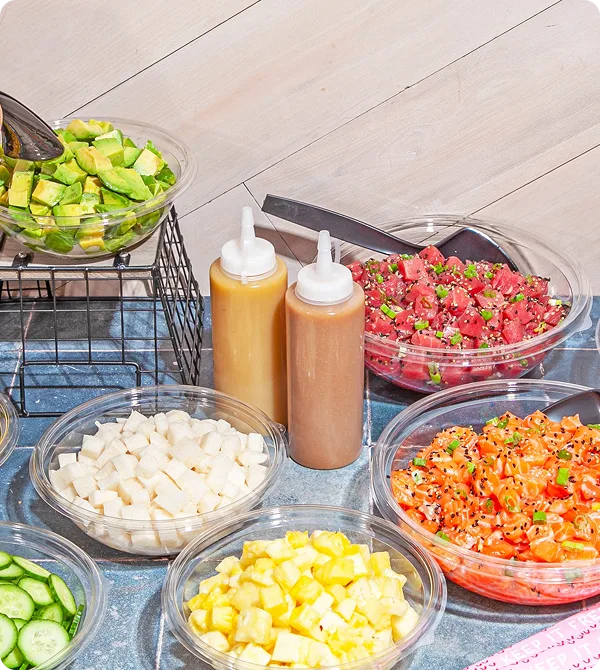
At Sweetfin, sauces aren’t shipped in bulk containers.
They’re made from scratch at each location.
Fresh fish. Clean ingredients. Chef-driven sauces that actually taste alive. That’s where black garlic gochujang comes in. Two bowls showcase it particularly well.
Gochujang Salmon Poke Bowl

Salmon is the obvious match here.
It's natural fat softens the fermented heat of black garlic gochujang, letting the flavor spread across the whole bowl.
Then the toppings build around it. Bean sprouts give the bowl crunch. Crispy garlic adds a savory edge to everything. Each bite shifts slightly depending on what you pick up.
It’s one of Sweetfin’s best examples of how spicy poke bowl sauces can deliver bold flavor without overpowering fresh fish.
Superfood Bowl

The Superfood Bowl has somewhat of another direction.
This one is inclined to wellness and at the same time adopts Korean fusion cuisine.
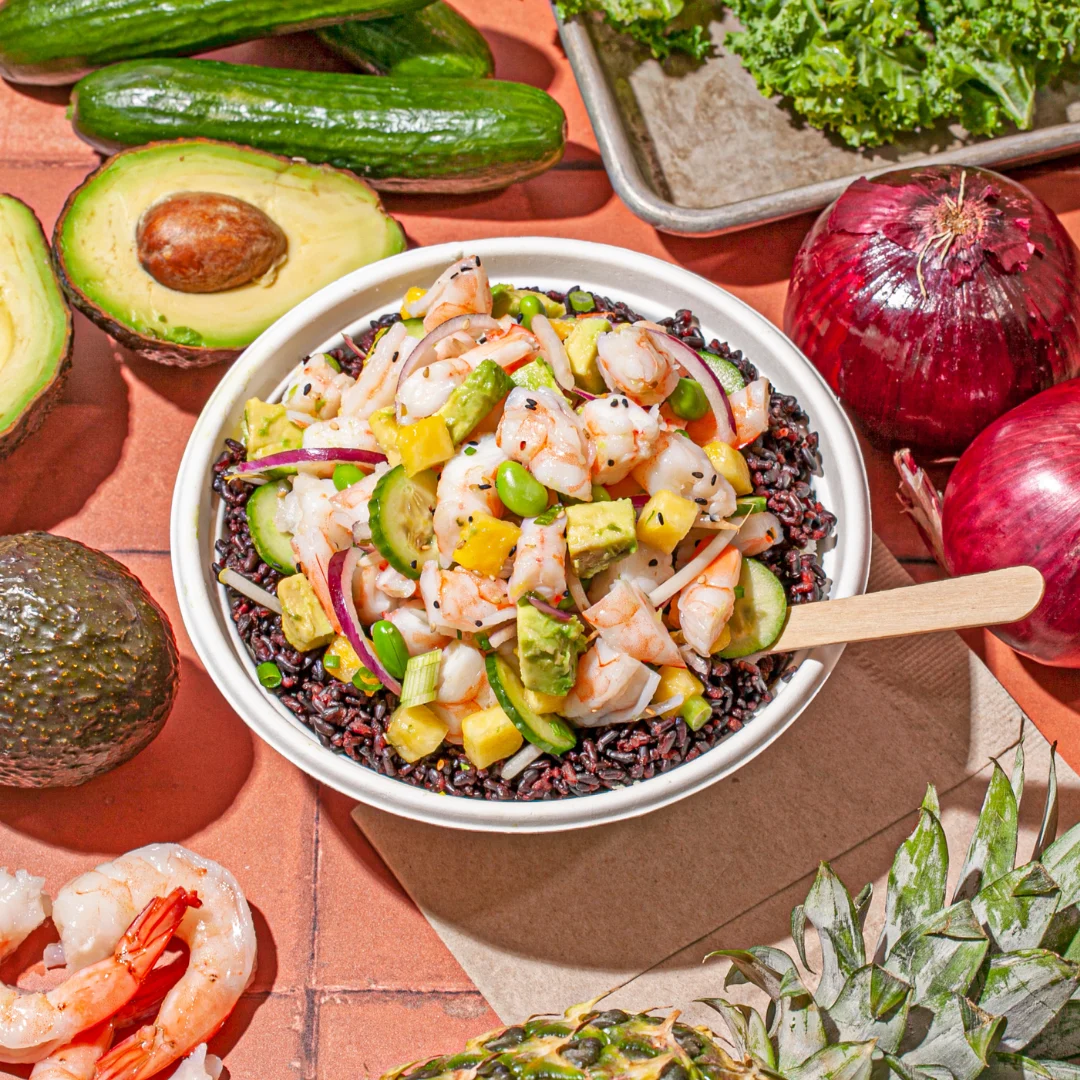
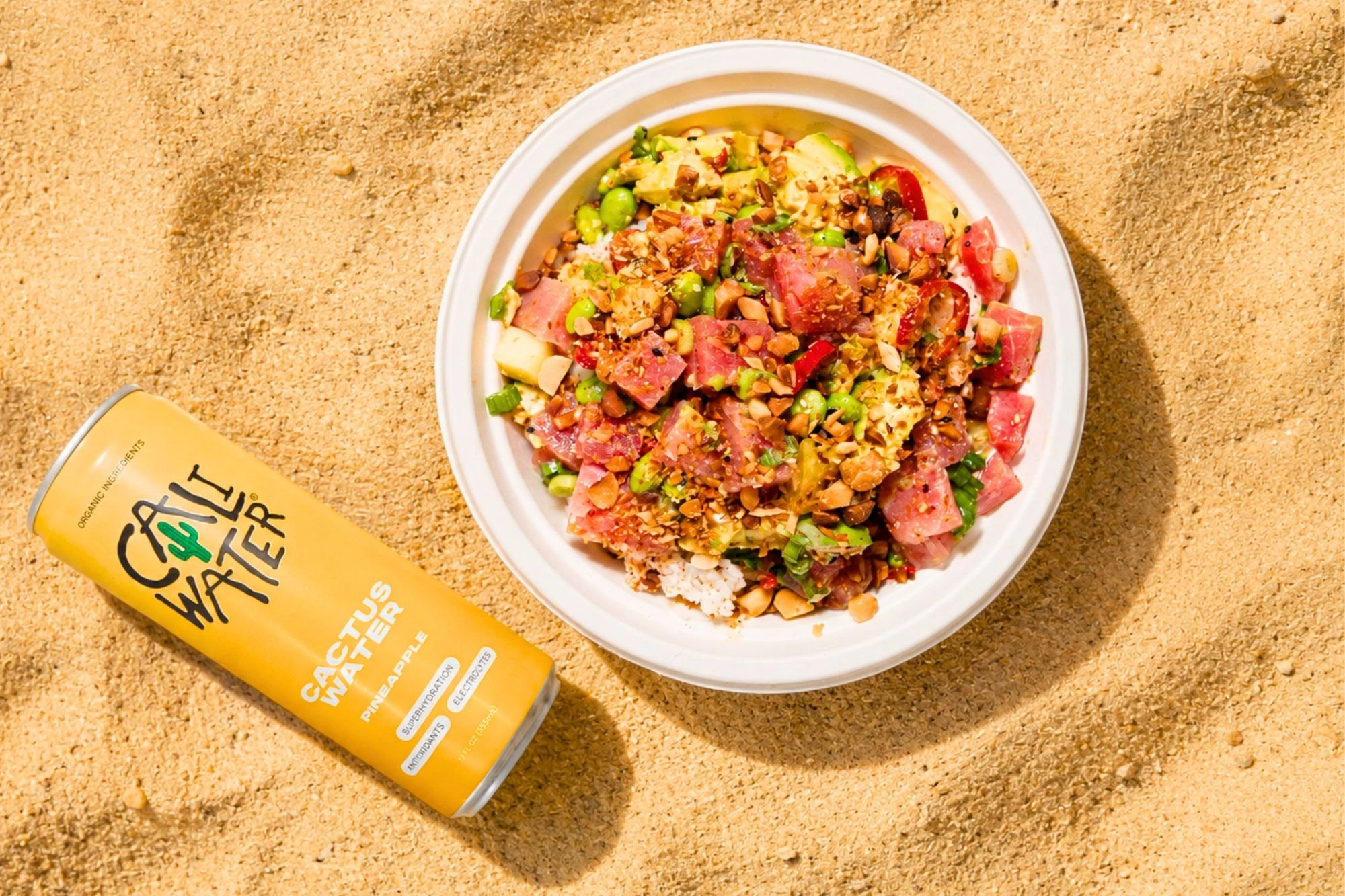
The bowl is anchored in lean yellowfin tuna and is surrounded by avocado, shimeji mushrooms, carrots, pickled ginger, and seaweed salad.
Then everything is bound together by black garlic gochujang.
The sweetness is surprisingly compatible with the vegetables, particularly kale and seaweed. The combination is also good nutritionally. Antioxidant compounds are found in black garlic, sea vegetables, and leafy greens.
Both bowls are entirely gluten-free and are part of the Sweetfin chef-inspired menu, where Korean fermentation meets California-fresh ingredients.
You can browse the full lineup here.
Ready to Experience Korean Fusion Poke?
Food trends move quickly. Fermentation doesn’t.
What makes gochujang sauces thrilling right now is that they bring centuries of Korean cuisine into modern bowls. This is the depth that is difficult to imitate.
Sweetfin appropriates that tradition and fuses this with California ingredients, sustainably sourced fish, and scratch-made sauces such as black garlic gochujang.
If you are interested in the starting point, the Gochujang Salmon Bowl is the natural step. The Superfood Bowl provides a vegetarian version of the same.
Explore the full Sweetfin menu. Your next poke bowl might introduce you to a completely new favorite sauce.
FAQs
Q: What is gochujang sauce made of?
Gochujang sauces are made from fermented red chili peppers and include glutinous rice, fermented soybeans, and salt. The production process involves fermentation, which gives it its sweetness and deep, savory flavor.
Q: Is gochujang sauce spicy?
Yes, but it’s moderate. The gochujang sauces combine chili peppers with sweet and umami notes; the spice is more moderate and balanced than in most hot sauces.
Q: What is black garlic gochujang?
Black garlic gochujang is made of fermented chili paste and slowly aged garlic. The garlic provides caramelized sweetness and depth, making it a great match for gochujang.
Q: Is gochujang sauce gluten-free?
Conventional gochujang may contain wheat; however, the entire Sweetfin menu is 100% gluten-free, making it more convenient for guests with dietary restrictions.
Q: What poke bowls use gochujang sauce?
Sweetfin’s Gochujang Salmon Poke Bowl and the Superfood Bowl, which is topped with black garlic, use gochujang sauce.

.svg)
.svg)
.svg)
Share this article
Written by

.svg)