May 8, 2026

.svg)

What Is Yuzu Kosho? The Japanese Condiment Quietly Taking Over California Menus


There is a small green paste showing up on California menus with increasing confidence. You will find it on grilled fish, stirred into sauces, and sitting quietly next to your poke bowl. It is not sriracha. It is not wasabi. It is yuzu kosho, and once you taste it, you start noticing it everywhere.
This condiment has roots in southern Japan and a flavor profile that is difficult to put down: bright citrus, gentle heat, and a deep salinity that makes everything it touches taste more alive.
In this blog, we break down what yuzu kosho is, how it compares to wasabi, the best ways to use it, and why it has earned its place at Sweetfin.
What Is Yuzu Kosho?
Yuzu kosho is a fermented Japanese paste made from three ingredients: yuzu zest, chili peppers, and sea salt. That is the whole list. What those three things create together, though, is something far more layered than the ingredients suggest.
Yuzu is a Japanese citrus fruit with a flavor that sits somewhere between lemon, grapefruit, and mandarin. It is aromatic, tart, and slightly floral. The chilies bring heat. The salt ties everything together and drives the fermentation process, which deepens the flavor over time.
The result is a condiment that is spicy without being aggressive, citrusy without being sharp, and salty in a way that builds umami rather than just seasoning a dish.
Yuzu kosho originates from Kyushu, Japan, where it has been a kitchen staple for generations. It was traditionally used with hot pot, miso soup, and sashimi. Now it has traveled far beyond those roots and found a natural home in California cooking.
Green vs. Red: What Is the Difference?
There are two main varieties of yuzu kosho, and both have their place.
- Green yuzu kosho uses unripe yuzu and green chili peppers. The flavor is brighter, sharper, and spicier. It is the more common variety and the one most people encounter first.
- Red yuzu kosho uses ripe yuzu and red chili peppers. The heat is more mellow, and the flavor carries a slightly deeper, more aromatic quality.
Both work beautifully with seafood. At Sweetfin, the yuzu kosho sauce brings that bright green variety's citrus-forward personality into the bowl, lifting the fish rather than competing with it.
Yuzu Kosho vs. Wasabi: How Do They Compare?
This is a comparison that comes up often, and it makes sense since both are Japanese condiments with heat and a strong identity. But they are quite different in practice.
Wasabi delivers sharp, sinus-clearing heat that fades quickly. It is pungent and immediate. Yuzu kosho is slower and more rounded. The heat builds gradually, and the citrus and salt balance it out before it becomes intense. Where wasabi is a direct hit, yuzu kosho is a conversation.
Wasabi is also typically served alongside raw fish as a palate cleanser and flavor separator. Yuzu kosho works as a sauce ingredient, a marinade, a finishing condiment, and a flavor base all at once. The range of yuzu kosho uses is much broader, which is part of why chefs have embraced it so enthusiastically.
You can read more about how different flavors come together in a well-built bowl in our poke bowl ingredients guide.
How to Use Yuzu Kosho
Yuzu kosho is one of those ingredients that rewards experimentation. A small amount goes a long way.
- With Fish and Seafood: This is where it shines most naturally. Stir it into a sauce for raw fish, use it as a marinade, or mix a small amount into a dressing. The citrus cuts through the richness of fish like salmon, while the heat adds depth without masking anything.
- In Sauces and Dressings: Blend a small amount into mayo, sesame dressing, or ponzu. It adds a citrusy kick that makes the base sauce taste more complex.
- As a Finishing Touch: Dot a small amount on top of a finished dish just before serving. It adds brightness and aroma that you cannot replicate by cooking it.
- With Vegetables: Roasted or grilled vegetables take on a new character with yuzu kosho stirred into the glaze or dipping sauce alongside them.
The key with yuzu kosho is restraint. Start with less than you think you need and adjust from there.
Why California Menus Are Paying Attention
California's food culture has always been drawn to ingredients with clear origins, clean flavor, and genuine versatility. Yuzu kosho checks all three.
It fits naturally into the way Californians eat: focused on fresh protein, citrus-forward brightness, and bold but balanced flavor. It is gluten-free, made from whole ingredients, and does not rely on sugar or artificial anything to land its flavor. That aligns with what diners across LA, Santa Monica, and the broader California coast are already reaching for.
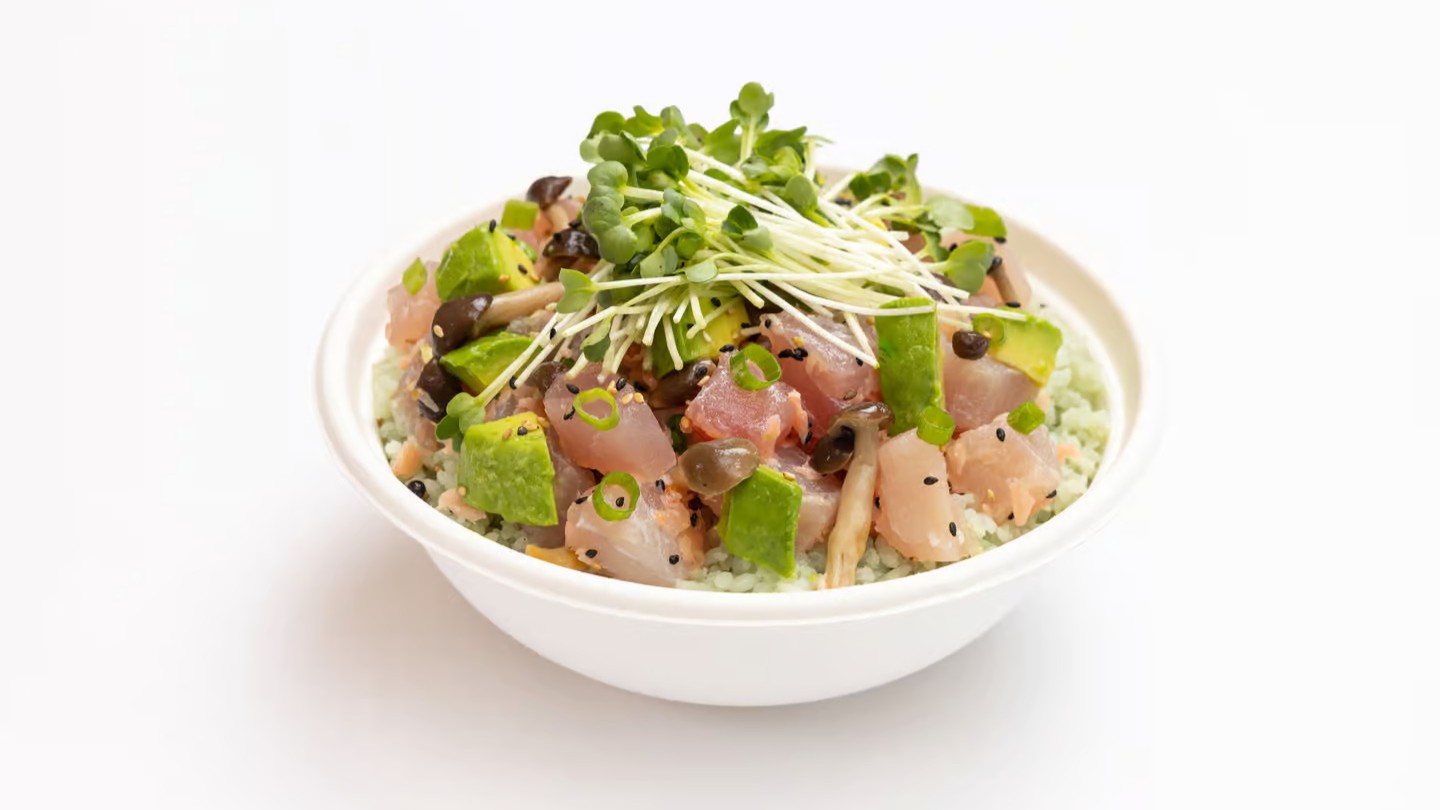
At Sweetfin, the yuzu kosho sauce appears in several dishes and has become one of the more-requested flavor profiles. Paired with sustainably sourced salmon, avocado, edamame, jicama, and cucumber, it creates a bowl that feels light and full of flavor at the same time.
The sauce works especially well for people who want heat without the blunt force of sriracha, or brightness without the one-note punch of straight citrus.

Frequently Asked Questions
What does yuzu kosho taste like?
It tastes bright and citrusy with a gradual, gentle heat and a salty, savory backbone. The fermentation adds depth that makes the flavor feel more rounded than a simple chili-citrus blend.
Is yuzu kosho spicy?
It has a noticeable kick, but it is not aggressively hot. The heat builds slowly and is balanced by the citrus and salt, so it sits comfortably for most people who enjoy mild to medium spice.
Is yuzu kosho gluten-free?
Traditional yuzu kosho contains only yuzu, chili, and salt, making it naturally gluten-free. At Sweetfin, the yuzu kosho sauce is part of a fully gluten-free menu.
Can I use yuzu kosho like wasabi?
You can, though the flavors are distinct. Yuzu kosho works well alongside sashimi and raw fish, but it is also far more versatile as a sauce ingredient or marinade than wasabi typically is.
Where can I taste yuzu kosho in LA?
Sweetfin uses yuzu kosho as a house sauce across several bowls at all California locations. It is one of the cleaner, more interesting ways to experience this condiment for the first time.
Try Yuzu Kosho at Sweetfin
If you have been curious about yuzu kosho but have not had the right opportunity to try it, a Sweetfin bowl is a good place to start. The sauce is made in-house, paired with sustainably sourced fish, and built into bowls that let the flavor speak clearly.

.svg)
.svg)
.svg)
Share this article
Written by

.svg)